



Have you ever heard the terms “mainland” and “free zone”? Do you know what the difference is between registering a company in the mainland or a free zone? If you want to know the differences, advantages, and disadvantages of registering a company in each area.
When registering a company and starting a business in Oman, there are two options available to the applicant: mainland and free zone.
The main differences between these two options are as follows:
Mainland company
- Can conduct business both inside and outside of Oman
- 100% foreign ownership is allowed
- Is subject to Omani federal law and regulations of the Ministry of Economic Development (DED)
- Is subject to Omani customs duties when importing goods
- Can benefit from a larger market in Oman and global markets without restrictions
- Requires DED (Ministry of Commerce) approvals, so it takes more time to obtain licenses and start a business.
Free trade zone company
- Can only operate in designated free zones in Oman
- 100% foreign ownership is allowed
- Is exempt from Omani customs duties when importing goods
- Offers benefits such as 100% foreign ownership, tax incentives, and profit repatriation
- Provides world-class infrastructure, modern facilities, and access to advanced technology
- Provides comprehensive business support services, including legal assistance, administrative support, and access to networking events and industry-specific clusters
- Can be launched quickly as free zone authorities are authorized to issue licenses
Strategic location: Oman’s free trade zones have a strategic location and provide easy access to regional markets, the Indian subcontinent, and the east coast of Africa.

For example, the Sohar Free Zone is located next to the Sohar port, while the Salalah Free Zone has a deep-water port and an international airport.
Which option is right for you?
The best option for registering a company in Oman depends on your specific needs and goals. If you want to export your products or services, or if you want to avoid paying taxes in Oman, a free zone is a good option. If you want to access the Omani market, hire Omani nationals, or participate in government tenders, the mainland is a better option.
The choice between a mainland company and a free zone company depends on a variety of factors, including the nature of the business, ownership preferences, market access, and specific benefits offered by the free zone.
Starting a business in a free zone has several advantages:
Full foreign ownership: Free zones allow full foreign ownership, eliminating the need for investors to find sponsors.
Repatriation of capital and profits: Free zones typically allow businesses to repatriate 100% of their capital and profits without any restrictions, enabling entrepreneurs to easily transfer their earnings back to their home country.
Simple setup process: Setting up a business in a free zone is known for its simple and hassle-free process. Free zones offer simplified registration and licensing procedures, allowing entrepreneurs to launch their companies quickly and efficiently.
Thriving business communities: Free zones are equipped with world-class infrastructure, modern facilities and amenities, including office space, warehouses, logistics services and access to advanced technology, which provides a conducive environment for thriving businesses.
Diverse business support and networking: Free zones often offer comprehensive business support services, including legal assistance, administrative support, and access to networking events and industry-specific clusters. This fosters collaboration, innovation, and growth opportunities for businesses.
Strategic location: Free zones are strategically located near major ports, airports, and transportation hubs, offering convenient access to global markets. This facilitates international trade and allows businesses to build strong relationships with partners and customers around the world.
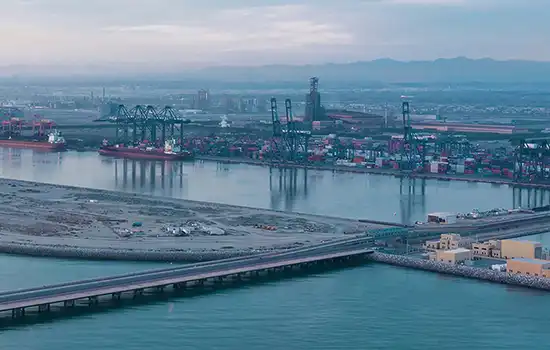
Overall, starting a business in a free zone offers a variety of advantages, including tax incentives, 100% foreign ownership, ease of doing business, and access to world-class infrastructure and facilities. However, it is important to consider the limitations, including limited business activities, higher costs, limited market access, physical presence requirements, labor force restrictions, reliance on free zone authorities, and potential competition.
Starting a business in the mainland has several advantages:
- Flexibility in choosing the type of activity
- Greater availability of skilled labor
- No currency restrictions
- Lower costs

Overall, starting a business in the mainland offers a variety of advantages, including access to a larger market, the ability to hire Omani nationals, and the ability to participate in government tenders. However, it is important to consider the limitations, including the requirement for a local partner with at least 51% ownership, potential customs duties, and longer start-up time due to the need for approvals from the Ministry of Commerce and Industry (MCI).
Oman has three free trade zones (FTZs) and two special economic zones (SEZs).
Oman’s free trade zones are:
- Al Mazyona Free Zone
- Sohar Free Zone
- Salalah Free Zone
Oman’s special economic zones are:
- Duqm Special Economic Zone
- Muscat Knowledge Oasis Special Economic Zone
As always, if you have any experience in this topic, please write in the comments for us and other friends who are planning to start a business in Oman.