



Warehousing holds crucial significance in Oman, contributing to its role as a regional trade hub due to its strategic location. This overview delves into the broader impact of warehousing within Oman’s logistics and supply chain management, covering elements such as the country’s logistics infrastructure, government initiatives, and the diverse warehousing landscape.
The emergence of free zones is highlighted, offering incentives for businesses engaged in warehousing and logistics. The text outlines various warehouse types tailored to diverse business needs in import and export.
The subsequent section briefly explores notable warehousing and logistics companies, including the ASYAD Group, Omani Integrated Logistics Services, Oman Shipping Company (OSC), and Agility Logistics, emphasizing their roles in enhancing Oman’s logistical capabilities. This condensed exploration seeks to provide a general understanding of warehousing in Oman, emphasizing its pivotal role in trade facilitation, logistical efficiency, and economic development.

Significance of Warehousing in Oman
Warehousing in Oman plays a pivotal role in the country’s logistics and supply chain management, contributing to its position as a regional trade hub. Oman’s strategic geographical location at the crossroads of Asia, Africa, and the Middle East makes it an ideal location for warehousing facilities. The country’s proximity to major shipping routes and its well-developed transportation infrastructure contribute to its appeal for logistics and distribution activities.
Logistics Infrastructure
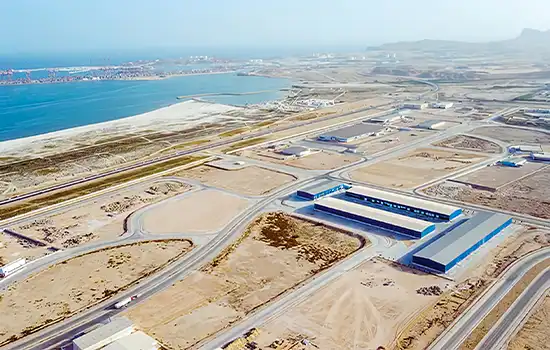
Oman has invested significantly in enhancing its logistics infrastructure, including the development of ports, airports, and road networks. This infrastructure supports the efficient movement of goods and facilitates the establishment of modern warehouses equipped with the latest technology.
The Role of the Government
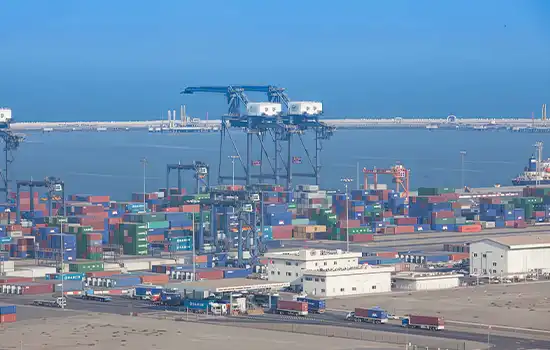
Oman’s customs procedures have been meticulously devised to facilitate international trade. The implementation of modern customs clearance systems, like the Bayan system, is geared towards the optimization of customs clearance processes, thereby influencing the expeditious movement of goods in and out of warehouses.
Moreover, these measures contribute significantly to fostering seamless and efficient warehousing operations by rationalizing import and export procedures. Warehousing facilities in Oman routinely harness cutting-edge technologies, such as Warehouse Management Systems (WMS) and automation, to refine inventory management, enhance order fulfillment, and optimize overall warehouse functionality.
The integration of such technological advancements not only elevates operational efficiency but also serves to mitigate costs associated with warehouse operations. The government of Oman remains committed to introducing strategic initiatives aimed at fortifying the logistics and warehousing sector. These endeavors are designed to attract investment, enhance infrastructure, and cultivate a business-friendly environment conducive to warehousing and distribution activities. Additionally, these initiatives are strategically focused on augmenting the broader trade facilitation ecosystem, thereby indirectly benefiting warehouses engaged in import and export endeavors.
Warehouses in Free Zones of Oman
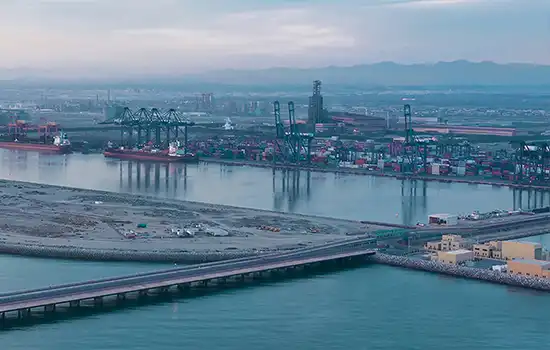
Oman has established free zones that offer attractive incentives and facilities for businesses engaged in various industries, including warehousing and logistics. Although there are various types of warehouses in the free zones of Oman, here’s an overview of some of them:
- Sohar Freezone
- Sohar Freezone, located in the northern region of Oman, offers modern infrastructure and tax incentives to businesses. It provides facilities for manufacturing, logistics, warehousing, and distribution activities. Businesses operating within the Sohar Freezone benefit from exemptions on corporate taxes, import and export duties, and personal income taxes.
- Salalah Free Zone
- Salalah Free Zone, situated in the southern part of Oman, is another prominent free zone offering attractive incentives for businesses. It provides facilities for industries such as manufacturing, logistics, petrochemicals, and light industries, with warehousing facilities available for businesses engaged in import and export activities.
- Al Mazunah Free Zone
- Al Mazunah Free Zone is located near the border with Yemen, making it strategically positioned for trade with neighboring countries. The free zone offers facilities for warehousing, logistics, trading, and light industries, with incentives similar to other free zones in Oman.

Warehousing Facilities
In Oman, the warehousing landscape is diverse and tailored to meet the unique needs of businesses engaged in import and export activities.
- Customs-Bonded Warehouses
- Oman has customs-bonded warehouses where businesses can store imported goods without immediate payment of customs duties and taxes. This allows for deferred payment of duties until the goods are released for local consumption or re-export.
- Temperature-Controlled Warehouses
- Given Oman’s climate, there is a growing demand for temperature-controlled warehouses. These warehouses cater to industries such as pharmaceuticals, food and beverages, and other products that require specific temperature conditions.
- Private Warehouses
- Some businesses choose to establish private warehouses for storing goods related to their import and export activities. Private warehouses offer businesses greater control over their inventory and logistics processes.
- Logistics Parks
- Oman has developed logistics parks that integrate various facilities, including warehouses, to support different stages of the supply chain. These parks are strategically located with excellent connectivity to ports, airports, and major road networks.
- Third-Party Logistics (3PL) Providers
- Businesses engaged in import and export activities may choose to leverage services offered by 3PL providers. 3PL providers often have warehouses equipped with advanced technologies and expertise in managing logistics operations.
Top Warehousing Companies in Oman
The landscape of warehousing and logistics is dynamic, with companies evolving and new players entering the market. However, here are some well-known logistics and warehousing companies in Oman that are prominent at the moment.
- ASYAD Group
- Asyad Group stands as the pre-eminent integrated logistics provider in Oman, ranking fourth among Forbes’ “10 Biggest Logistics Companies in MENA.” Boasting a considerable enterprise value of USD 4 billion and benefiting from substantial government infrastructure investment, Asyad appeals to discerning customers and investors seeking to capitalize on the nation’s sophisticated logistics infrastructure and well-established manufacturing capacities. Through the strategic optimization of its integrated logistics assets, Asyad actively contributes to the reinforcement of Oman’s economic foundation, solidifying its position as a prominent global logistics hub.
- Omani Integrated Logistics Services
- The company boasts a strong team of experienced professionals, each with a diverse background in logistics spanning various industry sectors. Their knowledge encompasses basic domestic transportation and distribution, international freight forwarding, supply chain solutions, and project cargo management. With meticulous attention to detail, this team customizes solutions tailored to individual customers, effectively tackling challenges arising in the dynamic and intricate realm of project business procedures.
- Oman Shipping Company (OSC)
- While primarily a shipping company, OSC is involved in logistics and can offer warehousing solutions for businesses engaged in import and export activities. Their mission is centered on securing enduring investment returns that benefit the company, shareholders, and customers, concurrently promoting growth within the Omani maritime sector and generating employment opportunities. Guided by principles encompassing reliability, profitability, and economic sustainability, OSC prioritizes safety, ethics, and environmental responsibility, adhering steadfastly to international quality standards. The organization’s deeply ingrained core values exert a pervasive influence across all operations, emphasizing key aspects such as safety, leadership, integrity, transparency, and engagement.
- Agility Logistics
- The companies within the Agility group comprise the largest aviation services provider globally in terms of the number of countries served. Additionally, they include a logistics parks business, standing as one of the most substantial private owners of warehousing and industrial real estate across the Middle East, Asia, and Africa. The group features a leading liquid fuel logistics business catering to emerging markets. Furthermore, it encompasses enterprises specializing in customs digitization, remote infrastructure services, e-commerce enablement, digital logistics, and commercial real estate and facilities management. Agility is not only a key player in these sectors but also an active investor in innovation, sustainability, and resilience. The organization has a growing portfolio of both listed and non-listed investment partners committed to reshaping their respective industries across various sectors.
Conclusion
In conclusion, the intricate tapestry of warehousing in Oman is a linchpin in the nation’s role as a regional trade powerhouse. The exploration has highlighted the strategic significance of Oman’s geographical location and its proactive investment in logistics infrastructure. The government’s meticulous customs procedures, advanced technologies in warehousing facilities, and strategic initiatives further underscore the country’s commitment to fostering efficient trade and logistics operations.
The establishment of free zones in Oman, with their distinct incentives, has added a layer of dynamism to the warehousing landscape. This diverse environment accommodates various warehouse types, each tailored to meet the specific needs of businesses involved in import and export activities.
Turning our focus to prominent warehousing and logistics companies, the likes of ASYAD Group, Omani Integrated Logistics Services, Oman Shipping Company (OSC), and Agility Logistics stand out as key players shaping Oman’s logistics capabilities. Their contributions not only strengthen the nation’s economic foundation but also showcase the resilience and innovation inherent in the warehousing sector. As we navigate the varied warehousing facilities, including customs-bonded warehouses, temperature-controlled warehouses, private warehouses, logistics parks, and the services of Third-Party Logistics (3PL) providers, it becomes evident that Oman’s warehousing landscape is tailored to meet the evolving needs of businesses across diverse industries.
In essence, this comprehensive exploration provides a holistic understanding of warehousing in Oman, emphasizing its pivotal role in trade facilitation, logistical efficiency, and overall economic development. The dynamic nature of the warehousing sector, coupled with the contributions of key industry players, positions Oman as a strategic and thriving hub in the global logistics arena.