

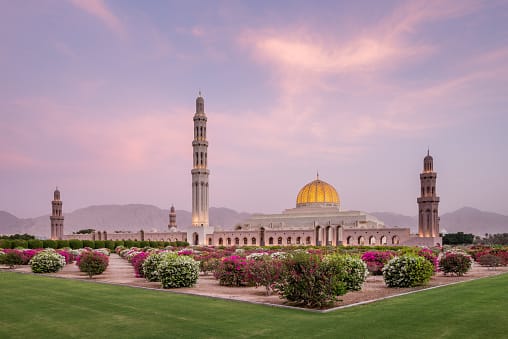
Oman is predominantly hot and dry, but its weather changes significantly from one region to another. Muscat and much of northern Oman experience intense summer heat, while Dhofar in the south has a distinctive summer season known as Khareef, when cloud, mist and light rain transform the landscape. The best time to visit Oman depends on your destination and the activities you have planned.
For city sightseeing and outdoor excursions around Muscat and northern Oman, autumn and winter are generally more comfortable than the hottest months. Travellers heading to Salalah for green mountains and misty scenery should consider the Khareef season instead. Understanding these regional differences helps you choose suitable clothing, plan driving routes and schedule outdoor activities.
Oman's climate: what travellers should know
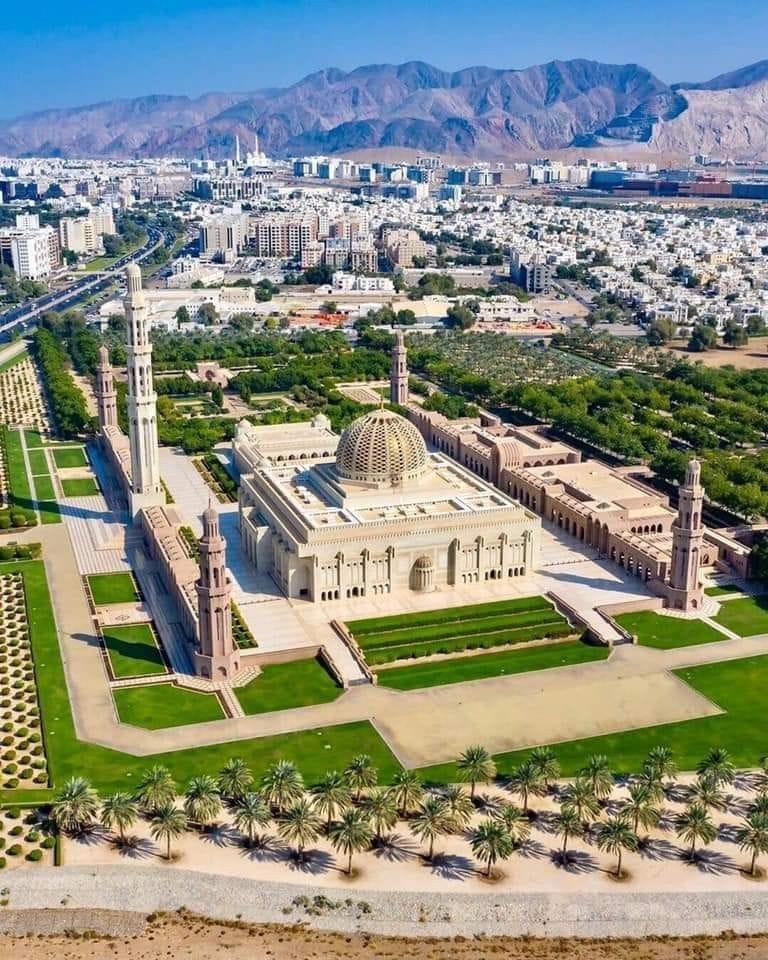
Oman lies in the southeastern part of the Arabian Peninsula and has a predominantly arid climate. Summers are particularly hot across the north and interior, while winters are generally cooler. Coastal humidity, mountain elevations and the seasonal weather in the south create important differences that a single national temperature range cannot describe accurately.
Coastal areas can feel more humid than inland locations, where conditions are often drier. In Dhofar, the Indian monsoon influences the summer climate, bringing increased cloud cover, mist and light drizzle to parts of the region. These conditions are especially associated with the Khareef season and are not representative of weather across the whole country.
When is the best time to visit Oman?
For many visitors to Muscat and northern Oman, September to November offers a more comfortable alternative to the intense summer heat. December to February is generally cooler and drier in Muscat, making this period suitable for sightseeing, coastal excursions and many outdoor activities. The best choice still depends on the destination and the type of trip.
According to the official seasonal travel guidance, autumn and winter offer different conditions from the summer months. Travellers should also distinguish between the weather in northern Oman and the seasonal climate of Dhofar before deciding when to travel.
Muscat weather throughout the year
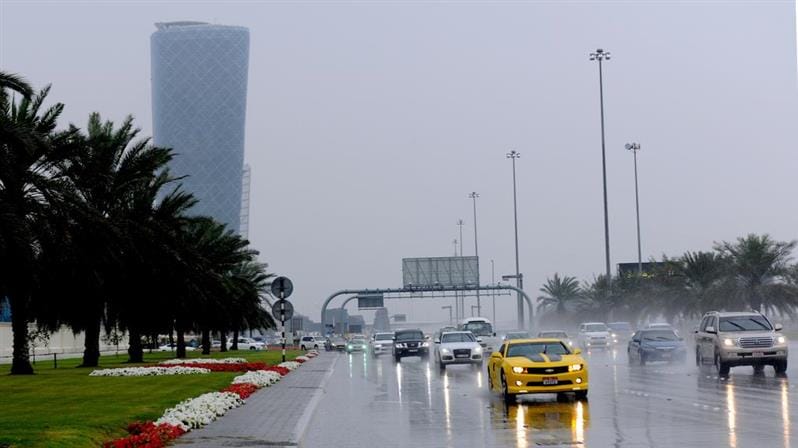
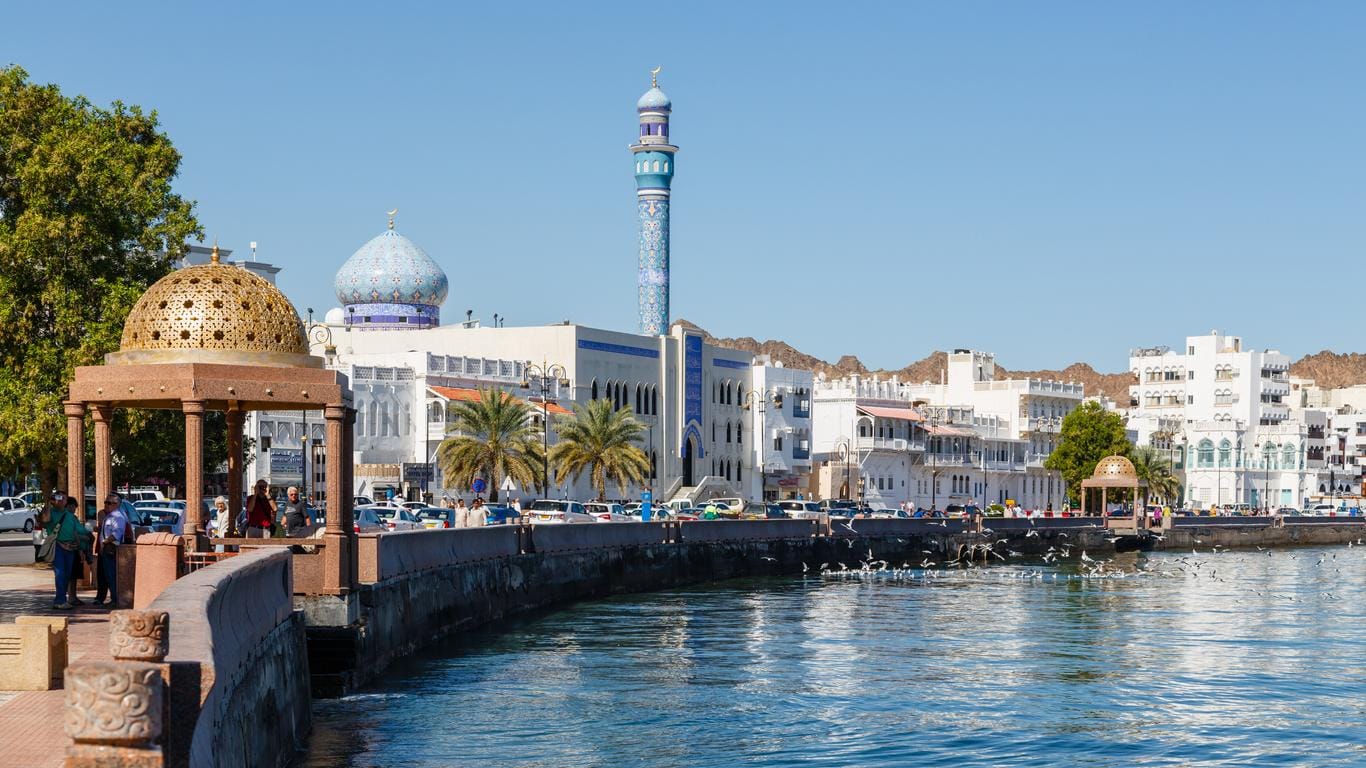
Muscat sits on the Gulf of Oman coast, where high temperatures can combine with humidity. Summer is long and intensely hot, and even evenings can feel warm and humid. June is among the hottest months of the year, so travellers planning extended outdoor activities should account for the heat rather than relying on evening temperatures alone.
Winter is generally milder than summer and often more suitable for walking around the city, visiting outdoor attractions and taking coastal trips. These are typical seasonal patterns rather than a forecast for a particular date. Check the latest local forecast before setting out, especially if your plans depend on weather-sensitive activities.
Salalah and the Dhofar Khareef season
Salalah has a different summer climate from Muscat because of the seasonal influence of the Indian monsoon. Khareef typically runs from late June to mid-September, bringing more cloud, mist and light rain to parts of Dhofar. The landscape can become noticeably greener, making this period particularly attractive to visitors interested in mountain scenery and seasonal natural landscapes.
The Oman meteorological guidance on Khareef describes the seasonal conditions associated with the monsoon. The change is regional: travellers should not expect Muscat and northern Oman to experience the same cool, misty weather as Salalah during this period.
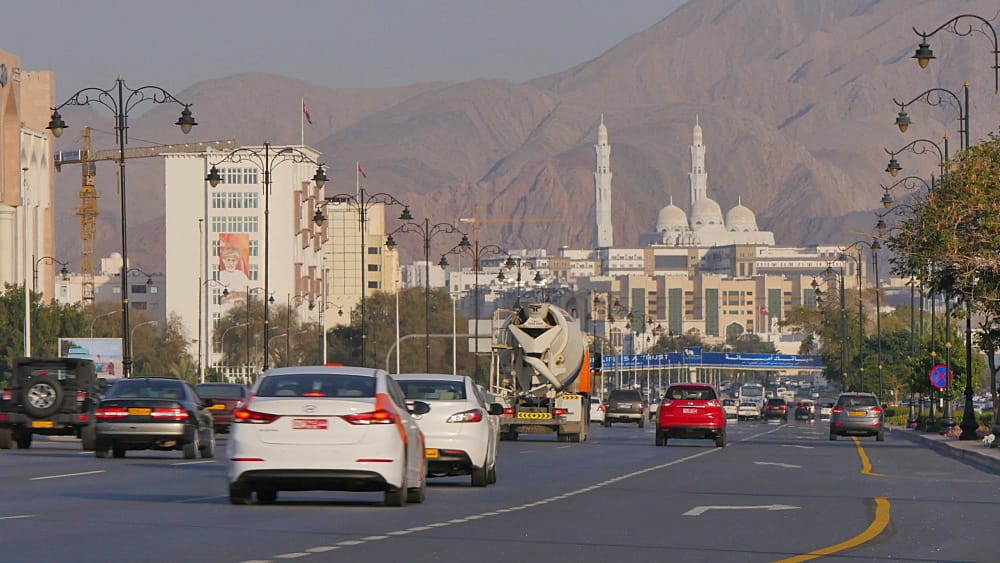
Mist and rain can affect visibility and road conditions in Dhofar. If you plan to drive through mountain areas or explore routes outside Salalah, check local weather alerts and road conditions before departure. Allow extra time when visibility is reduced, and avoid driving through flooded crossings.
Summer heat, winter conditions and what to pack
Oman's summer heat can make prolonged outdoor activity uncomfortable, particularly in Muscat and other northern locations. Plan walking tours and outdoor visits for cooler parts of the day, take sufficient drinking water and allow breaks in air-conditioned spaces. Lightweight clothing suited to the season is useful, while mountain destinations may require different preparation.
Winter is usually cooler than summer across much of the country, but conditions still vary with elevation and location. Coastal Muscat, inland areas and mountain routes should not be treated as having identical weather. Check the forecast for each destination on your itinerary and pack for the conditions you are likely to encounter there.
Rainfall, road safety and local weather alerts
Rainfall patterns differ across Oman, and the amount of rain in one region does not necessarily reflect conditions elsewhere. Although some areas receive little rain during much of the year, intense rainfall over a short period can create flash-flood hazards. The official guidance on rainfall in Oman explains the regional variation in precipitation and the risks associated with heavy rain.
Before travelling to remote areas, mountain roads or seasonal valleys, check forecasts and official warnings for your destination. Do not drive or walk through wadis or flood channels during warnings or when water is flowing through them. Water levels can rise quickly, so a dry-looking route may not remain safe after rainfall upstream.
How climate affects everyday life in Oman
Climate influences daily routines, cooling requirements, water use and the timing of outdoor work and recreation. Summer heat can limit extended outdoor activities, while the cooler months create more comfortable conditions for many forms of sightseeing. In southern Oman, Khareef also shapes the seasonal visitor experience.
Anyone considering an extended stay should assess the climate alongside other practical factors, including work, housing, living costs and residence requirements. Weather is an important consideration, but it cannot determine whether a move to Oman is suitable on its own.
Frequently asked questions about Oman weather
For travel planning, use the seasonal climate guidance and current local forecasts together. Choosing between Muscat in the cooler months and Salalah during Khareef can make a substantial difference to the type of outdoor experience available on your trip.



Comments & experiences
Share a useful experience or ask a relevant question.