

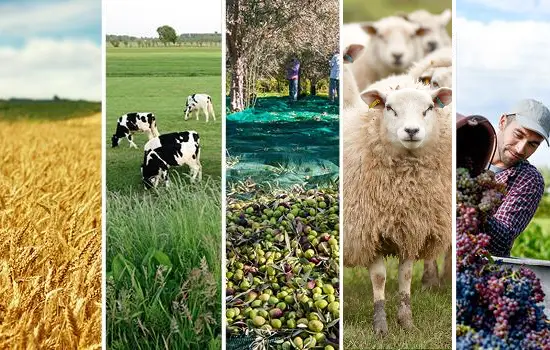
Agriculture investment in Oman can take several forms, including crop production, date farming, livestock breeding, commercial beekeeping, aquaculture and fish processing. The right opportunity depends on the land, water supply, operating costs, intended market and permits required for the specific activity. Investors should assess these factors before committing capital or applying for financing.
Oman's agricultural and fisheries sectors also contribute to food security and economic development. The practical starting point is to define the proposed business precisely, establish its commercial feasibility and identify the relevant government approvals and financing options.
Which agricultural and fisheries businesses can investors establish in Oman?
Investors can evaluate production, processing and supporting services across several subsectors. Each has different infrastructure requirements, operating risks and regulatory considerations.
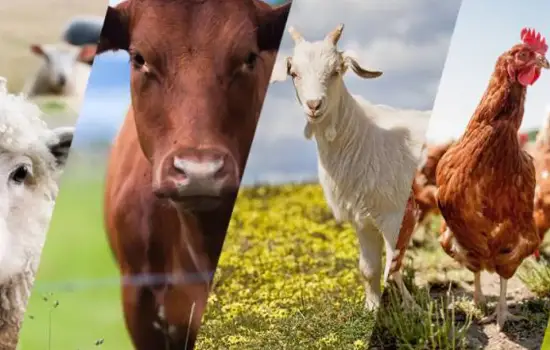
- Crop production: Fruit and vegetable cultivation, date farming, nurseries, greenhouse operations and agricultural land development.
- Irrigation and equipment: Modern irrigation systems, agricultural pumps, tractors and related equipment.
- Livestock and animal products: Animal breeding, poultry, dairy production, meat processing and other livestock-related activities.
- Beekeeping: Commercial apiaries and honey production.
- Fisheries and aquaculture: Fish production, aquaculture, fishing equipment and supporting marine services.
- Fish processing: Ice production, packaging, canning, salting, drying and the production of fishmeal, fish oil and other seafood products.
The Agriculture and Fisheries Development Fund supports the development of agricultural, livestock and fisheries resources, alongside research, investment and sustainable food security initiatives. Its mandate should not be interpreted as an automatic entitlement to a grant or tax exemption for every project.
How to assess an agricultural investment before committing capital
Start with the commercial model and the physical requirements of the operation. A project that appears profitable on paper may be impractical if its water supply, land access, equipment costs or distribution arrangements do not support the intended production level.
- Define the activity. Specify the crop, livestock category, aquaculture operation or processing activity, along with the expected production capacity.
- Evaluate the location. Check land availability, access to water, infrastructure, transport and proximity to suppliers or customers.
- Prepare a financial model. Estimate land and construction costs, equipment, labour, inputs, utilities, maintenance, working capital and expected revenue.
- Identify the regulatory pathway. Determine which commercial, agricultural, environmental, municipal, import or fisheries approvals apply to the proposed operation.
- Assess financing eligibility. Compare the project's funding requirement and projected cash flow with the products offered by Oman Development Bank.
- Confirm the sequence of approvals. Establish which permits must be obtained before construction, equipment installation, production or commercial operation.
Water availability and irrigation efficiency deserve particular attention in crop production. For livestock and fisheries projects, biosecurity, animal health, storage, cooling and distribution can materially affect operating costs and commercial viability.
Oman Development Bank financing for agriculture and livestock
Oman Development Bank offers financing products for eligible agricultural, livestock and fisheries activities. Depending on the product and the project, financing may support development expenditure or seasonal and working-capital requirements.
The bank's published financing information describes a subsidised annual interest rate of 3% on the outstanding balance for eligible financing and interest-free facilities of up to OMR 15,000 for qualifying small investors. These terms are subject to the applicable product conditions and the bank's assessment; they are not guaranteed for every applicant.
Potentially relevant activities include:
- Greenhouses and agricultural cultivation facilities.
- Modern irrigation systems, agricultural pumps and tractors.
- Poultry farming and poultry slaughterhouses.
- Beekeeping and commercial apiaries.
- Veterinary clinics and livestock-related businesses.
- Dairy production and agricultural nurseries.
- Date-processing facilities and other agricultural processing projects.
- Land reclamation and agricultural development.
- Eligible fisheries production and processing operations.
The fact that an activity falls within an eligible sector does not mean that a particular project will receive financing. The bank assesses the application, financial viability, repayment capacity, supporting documents and any security required under the applicable product.
How much financing can a project receive?
The amount available depends on the financing product and the bank's assessment of the applicant and project. Do not build a financial model around an assumed loan percentage or maximum amount without checking the applicable terms directly with the bank.
Before applying, prepare a project description, capital expenditure budget, operating forecast and cash-flow projections. Identify the proposed funding contribution, repayment source and any collateral that may be required.
Documents needed for an agricultural loan
The exact documentation depends on the financing product, the applicant's legal structure and whether the project is new or already operating. Confirm the current checklist with Oman Development Bank before submitting the application.
Commonly relevant documents and supporting information include:
- Applicant identification and company registration documents, where applicable.
- Relevant licences, approvals or evidence of the project's regulatory status.
- Land ownership or lease information and details of the proposed project location.
- A technical project description and production plan.
- Project cost estimates and quotations from contractors or equipment suppliers.
- Financial information supporting the investment and repayment projections.
- A feasibility study where required for the project and financing product.
A feasibility study should explain the project's market, production assumptions, operating costs, revenue model, capital requirements and principal risks. The bank may request additional documents during its assessment.
How the agricultural financing application works
The financing process generally moves from an initial application to technical and financial assessment, followed by documentation and disbursement if the application is approved. The sequence and timing depend on the financing product and the completeness of the submission.
- Initial enquiry and application: Identify the appropriate financing product and submit the application with the requested project information.
- Preliminary assessment: Discuss the project with the bank and provide clarifications or additional documents when requested.
- Feasibility and risk assessment: The bank evaluates the project's viability, financial position and ability to repay.
- Financing decision: The bank considers the application under the relevant approval process and communicates its decision.
- Contract and security documentation: Complete the required financing agreements and provide the approved collateral or guarantees.
- Disbursement and repayment: Funds are released according to the agreed arrangements, and the borrower follows the repayment schedule.
Ask the bank to confirm the applicable interest or financing rate, repayment period, any grace period, collateral requirements, eligible expenditure and disbursement conditions in writing. These terms affect the project's cash flow and should be reflected in the financial model.
Livestock farm licence in Oman: requirements and costs
A livestock production farm requires the appropriate government licence for its category and scale. The application should be planned around the proposed site, land documentation and the requirements of the relevant licensing service.
The government service for an animal production farm licence lists the following service fees:
| Farm category | Licence fee |
|---|---|
| Small farm | OMR 25 |
| Medium farm | OMR 50 |
| Large farm | OMR 100 |
These amounts are the stated licence service fees, not the total cost of establishing a farm. Land, buildings, livestock, equipment, feed, labour, utilities and other operating expenses must be budgeted separately.
Documents identified for the licensing service include:
- Proof of land ownership or a land lease.
- A land survey plan.
- The applicant's identification document.
- A valid livestock ownership card.
- A feasibility study for large production farms, where required.
Check the current service requirements and confirm the farm classification before paying fees or beginning construction. A licence for one farm category should not be assumed to cover a different activity or a larger operation.
Commercial beekeeping and honey production
Commercial honey production has its own licensing pathway. Investors planning an apiary should account for the legal status of the land and the requirements of the relevant government service.
The stated fee for a commercial apiary establishment licence is OMR 50. This is a service-specific fee, separate from the costs of preparing the site, acquiring equipment, purchasing bee colonies and operating the business.
Before proceeding, establish whether the intended site is suitable and identify the documentation required for the land and the proposed apiary. Include equipment, colony management, production, packaging and distribution in the financial forecast.
Fisheries investment and fish processing in Oman
Fisheries investment can involve harvesting, aquaculture, cold-chain infrastructure, seafood processing, packaging or the supply of fishing equipment. Commercial fishing, vessel operation and seafood processing can follow different regulatory pathways, so investors should identify the correct approvals for their intended business.
Oman's 2026 statistical yearbook reports that fish exports in 2025 were approximately 411,000 tonnes, valued at OMR 209 million. It also reports an increase of 3,732.4 tonnes in aquaculture production, equivalent to annual growth of 67.8%. The latter figure is an increase, not the total volume of aquaculture production. These indicators describe fisheries and should not be presented as figures for all agricultural production or exports.
Potential investment models include:
- Fishmeal, fish oil and other seafood products.
- Fish processing, canning, salting, drying and packaging facilities.
- Ice production and refrigerated storage.
- Fishing vessels and fishing equipment.
- Aquaculture production and supporting services.
- Marine workshops and vessel maintenance services.
Processing projects need particular attention to product handling, cold storage, food safety, equipment capacity and distribution. Depending on the operation, environmental, industrial, municipal and fisheries approvals may also be required.
Choosing the correct fishing licence
A personal professional fishing licence is different from a company vessel licence or a commercial fishing boat permit. Investors should not assume that a personal fishing authorisation allows them to operate a commercial fishing business.
Coastal fishing vessel licence
The coastal fishing vessel licensing service follows a separate process for companies and institutions. The listed documents include identification, a specimen signature, commercial registration, a membership certificate from the Oman Chamber of Commerce and Industry, and a fishing licence. The service lists a processing time of 15 days; applicants should confirm the current requirements and whether further approvals apply to their circumstances.
Commercial fishing boat permit
A commercial fishing boat permit is associated with companies that hold fishing quotas. The listed documentation includes commercial registration, evidence of financial capacity, an Omanisation plan, a purchase or construction quotation for the vessel, lease documents where relevant, and vessel registration and navigation records.
Confirm the applicable eligibility conditions before acquiring a vessel or entering into a construction contract. The required approvals may depend on the business structure, fishing rights and vessel arrangements.
Personal professional fishing licence
The personal professional fishing licence is a separate service with eligibility conditions specific to the individual applicant. The government service identifies Omani nationality, a minimum age of 18, residence in a coastal wilayat, specified employment status, registration with the Social Protection Fund, medical fitness and passing the required examination among its conditions.
The stated issuance fee is OMR 2. Because this is a personal licence with specific eligibility requirements, it should not be treated as a general authorisation for foreign investors or commercial fishing companies.
Importing agricultural products and animal-related goods
Importing agricultural products and materials requires attention to the relevant product-specific permit. The applicable process can differ according to the goods being imported and their intended use.
Oman's government portal provides a dedicated service for an agricultural products and materials import permit. Identify the goods precisely and check the applicable requirements before arranging shipment or committing to a supply contract.
Live animals and animal products may also require separate veterinary or import-related approvals. Exporting animal consignments is a distinct process: the veterinary health certificate for animal exports has its own service requirements and fees, which should not be confused with import permit costs.
What determines the total cost of an agricultural project?
The total investment is much broader than the government licence fee. A realistic budget should distinguish initial capital expenditure, pre-operational costs, financing expenses and recurring operating costs.
- Land and site preparation: Purchase or lease costs, surveys, site access and necessary infrastructure.
- Construction: Farm buildings, greenhouses, storage areas, processing facilities and supporting structures.
- Equipment: Irrigation systems, pumps, machinery, livestock facilities, cooling systems and processing equipment.
- Production inputs: Seeds, feed, livestock, bee colonies, packaging and other materials.
- Licensing and compliance: Applicable government permits, inspections and any additional approvals required for the activity.
- Working capital: Labour, utilities, transport, maintenance and operating expenditure before the business generates sufficient cash flow.
- Financing: Interest or other financing costs, repayment obligations and any required security.
Prepare separate estimates for the establishment phase and ongoing operations. This makes it easier to evaluate the amount of funding needed, the expected break-even point and the effect of seasonal production or changes in selling prices.
Frequently asked questions
Plan the project before applying
Agriculture, livestock and fisheries projects require coordination between commercial planning, site selection, licensing and financing. Investors should confirm the relevant approvals and funding conditions before purchasing equipment, starting construction or committing to long-term supply agreements.
Connsect provides company registration services in Oman for OMR 275, with a stated processing time of 7–10 working days for a mainland LLC registration completed without the client travelling. This service price and timeline relate to company registration, not agricultural licences, land costs or approval of a financing application. See the company registration service for details.
The first consultation is free. For project-specific guidance on company setup, regulatory planning and the next steps for an agricultural or fisheries investment, use the consultation service.


Comments & experiences
Share a useful experience or ask a relevant question.