

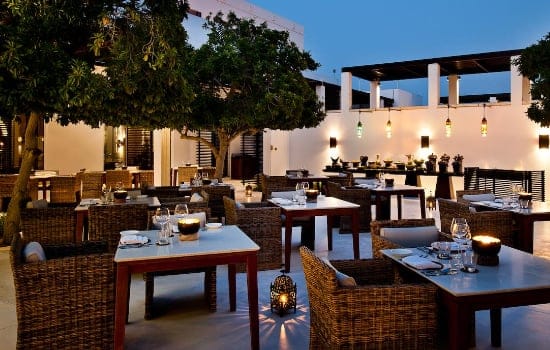
Food is an easy way to get to know Oman. In Muscat, you can try traditional Omani dishes, Turkish grills, Iranian kebabs and casual cafés, while a trip farther south opens up more opportunities to explore regional food traditions. The right restaurant depends on whether you want a local speciality, a relaxed meal, a familiar Persian menu or a place for a special dinner.
Start with the dishes you want to try, then choose a restaurant that fits your location and budget. Restaurant details can change, so check the current menu, opening hours and booking arrangements before setting out.
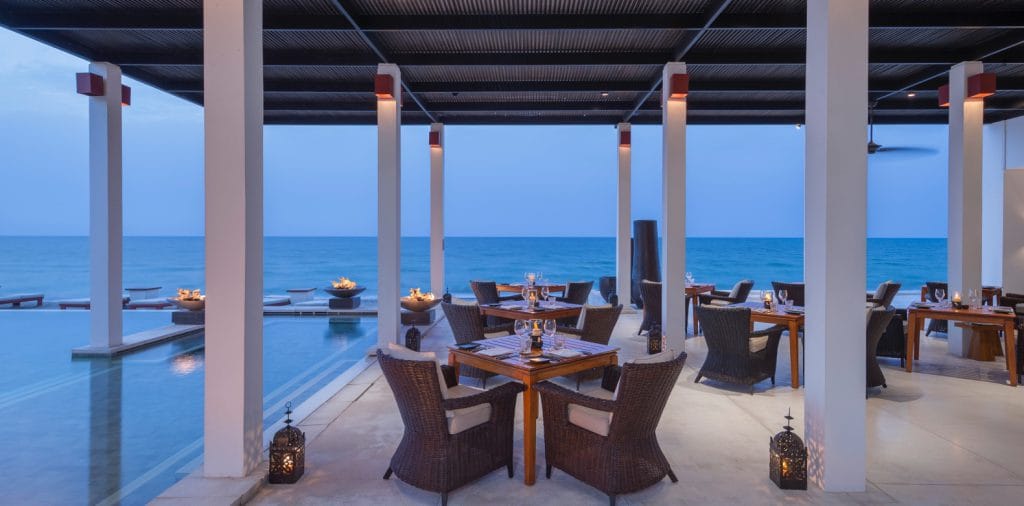
Where to eat in Oman: choose by cuisine
For a first visit, consider dividing your choices into three groups: restaurants serving Omani food, international and Turkish restaurants, and places offering Iranian cuisine. This makes it easier to choose between a traditional meal and familiar dishes without relying on a single list of supposed best restaurants.
- Traditional Omani food: Look for shuwa, harees and mishkak to explore different parts of the country's food culture.
- Turkish and casual dining: Baba Salem and Old Turkish are options named in local restaurant listings for visitors interested in Turkish-style food.
- Iranian cuisine: Aalyan, Shiraz and Shabestan are names to consider if you want Persian-style rice dishes, kebabs and a menu closer to Iranian dining.
- Cafés: Karjeen and the café options described below suit visitors looking for coffee, lighter dishes or a break between sightseeing stops.
Restaurants to consider in Muscat
Muscat offers a mix of traditional dining, casual grills and restaurants serving international cuisines. The following places provide a starting point; confirm their current location, menu and operating hours before visiting.
Bait Al Luban: Omani cuisine near Mutrah Corniche
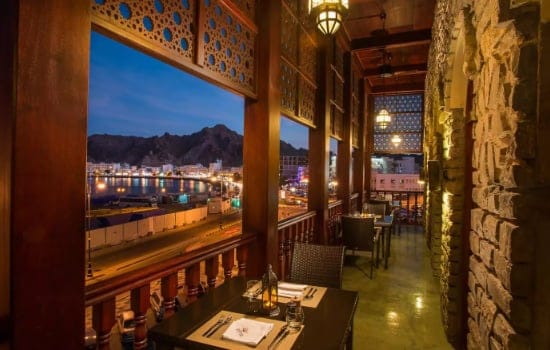
Bait Al Luban's official website is the best starting point for checking its menu, address and reservations. The restaurant is located on Al Mina Street along Mutrah Corniche in Muscat. Its published opening hours run from noon to 11 pm, although checking the current schedule before travelling is sensible.
Bait Al Luban is a useful choice when you want to focus on Omani food rather than an international menu. The official Oman tourism guide to heritage and culture also identifies it as an example of a venue serving traditional Omani cuisine. Book ahead if you have a particular dinner time in mind, especially for a planned visit with a group.
Baba Salem: Turkish-style food in a casual setting
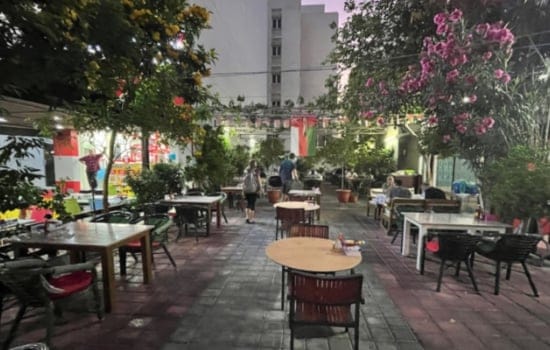
Baba Salem is presented as a casual option for visitors looking for Turkish-style food at a more accessible price point than a formal dining venue. Its appeal is the focus on filling, familiar dishes rather than elaborate surroundings. Check the current menu and location before making a special trip.
Baba Salem's Instagram page and its Google Maps listing are useful starting points for planning a visit.
Bin Ateeq: a traditional dining experience
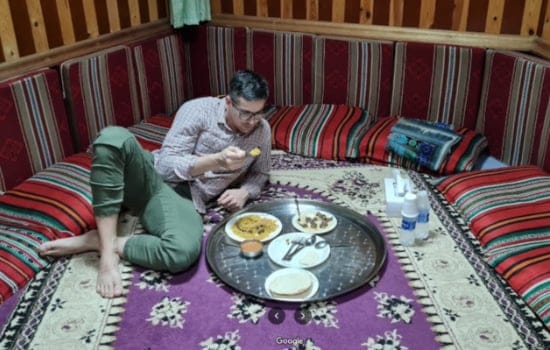
Bin Ateeq is worth considering if your priority is traditional Omani food rather than a contemporary international menu. The restaurant has been associated with floor seating, offering a different experience from conventional tables and chairs. Camel meat is among the dishes described on its menu in local restaurant guides, but ask the restaurant about current availability before visiting.
Use the Bin Ateeq map listing to check directions and confirm the relevant branch.
Old Turkish: grilled dishes and late-night dining
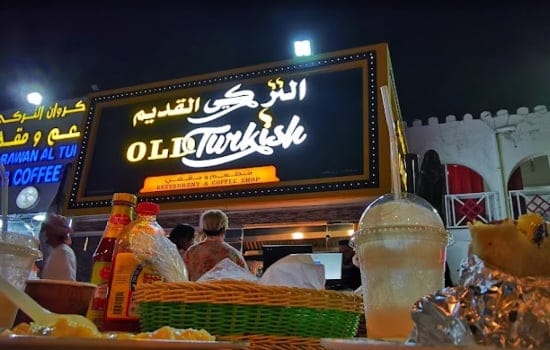
Old Turkish is an option for visitors who want Turkish kebabs and other grilled dishes. It has been associated with the Al Khuwair area of Muscat and described as a late-night restaurant. Do not rely on an old opening-hours listing for an overnight meal; check its current schedule before travelling.
For directions, consult the Old Turkish map listing.
Falafel Arax: a quick, casual meal
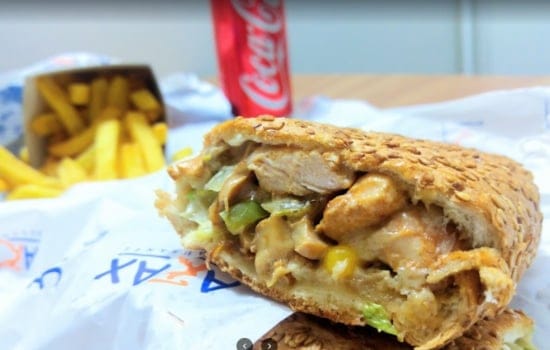
Falafel is a practical choice for a quick, casual meal, particularly when you want something lighter than a full grilled-meat platter. Falafel Arax is one option to look up if you are in the mood for this Middle Eastern favourite. Check the Falafel Arax map listing for directions.
Where to find Iranian food in Oman
Visitors who prefer Persian flavours can look for restaurants serving Iranian rice dishes, kebabs and traditional accompaniments. Three names to consider in Muscat are Aalyan, Shiraz and Shabestan; compare their current menus and prices to find the right fit for your meal.
Aalyan: an Iranian menu and café facilities
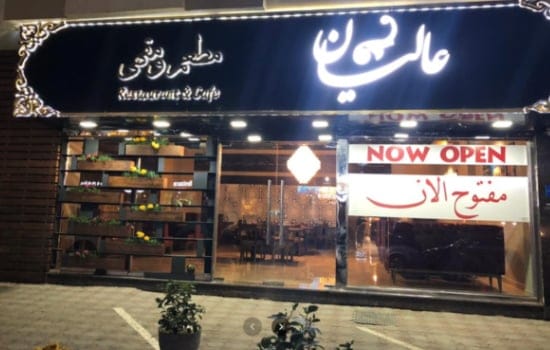
Aalyan is described as a restaurant in Muscat with an Iranian-style menu and café facilities. It may suit visitors looking for familiar Persian dishes or a place to stop for breakfast or an afternoon meal. Confirm its current services and menu before visiting.
Find directions through the Aalyan map listing.
Shiraz: kebabs near Qurum Beach
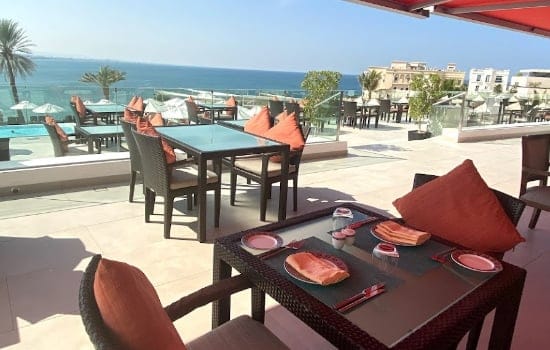
Shiraz is associated with the Qurum Beach area and a menu featuring kebabs. A dish described as the Isfahan platter combines saffron rice with several kinds of kebab and accompaniments. Ask whether this platter is still available and whether it is intended for one diner or for sharing.
Use the Shiraz map listing to plan your route.
Shabestan: a more formal dining option
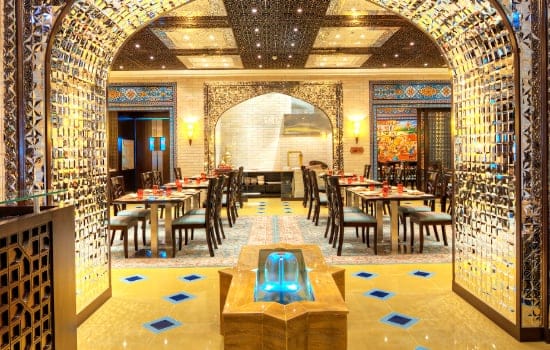
Shabestan is described as a higher-priced option with a broad menu and substantial portions. It may suit a more formal dinner rather than a quick, inexpensive meal. Review the current menu and reservation policy before choosing it for a special occasion.
For directions, check the Shabestan map listing.
Traditional Omani dishes worth ordering
Omani food reflects local ingredients, regional traditions and occasions when families gather to share a meal. If you want to experience more than restaurant ambience, choose a dish by its preparation and cultural role rather than ordering only familiar international food.
Shuwa: slow-cooked meat
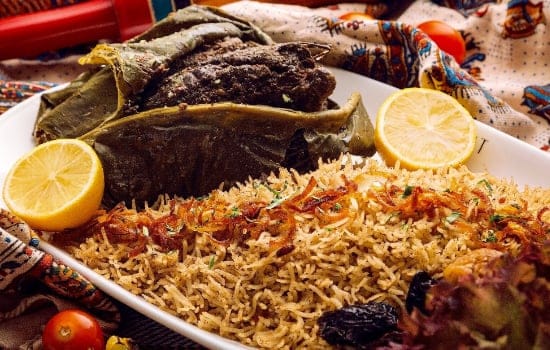
Shuwa is one of Oman's best-known traditional dishes. It is made with seasoned meat and is associated with celebrations, including religious holidays and weddings. Preparation takes time, so ask whether it is available on the day you visit rather than assuming every restaurant serves it daily.
The official Oman tourism guide includes shuwa among the country's characteristic dishes. Bait Al Luban is a useful starting point for exploring traditional Omani food in Muscat; Bin Ateeq is another restaurant to check when planning a meal around local specialities.
Mishkak: seasoned meat skewers
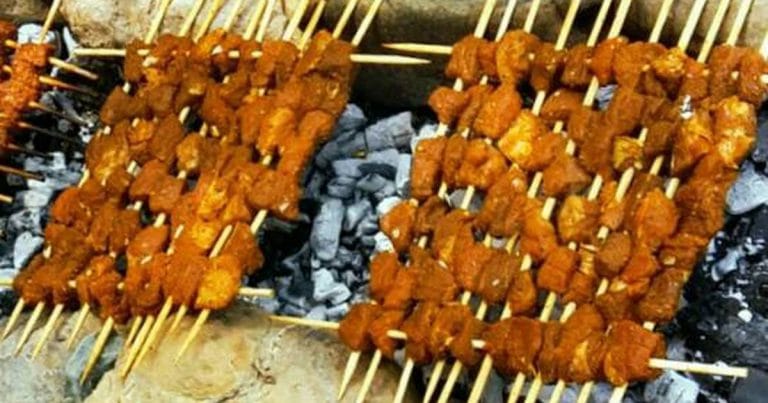
Mishkak consists of pieces of meat threaded onto skewers, seasoned and grilled. It is a good choice for anyone who wants to try a casual grilled dish without committing to a large formal meal. Look for it at local grills and food markets, and ask which meats and marinades are available.
Harees: wheat and meat cooked together
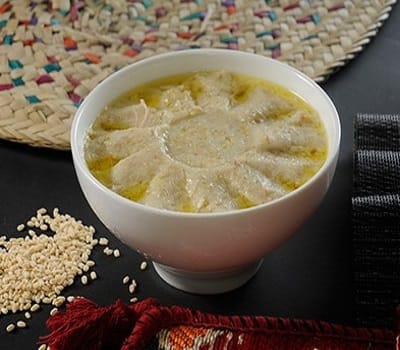
Harees is a traditional dish prepared with wheat, meat and ghee. Its soft, thick texture makes it quite different from grilled dishes, and it is associated with cultural and social occasions. The Omani Ministry of Culture's introduction to harees explains its ingredients and cultural significance.
Qabooli and other local specialities
Qabooli is another dish highlighted in Oman's food heritage. When browsing a traditional menu, ask staff to explain the ingredients, preparation and portion size. A brief explanation can help you choose between rice-based dishes, slow-cooked meat and grilled specialities.
Cafés in Muscat for coffee and lighter meals
Cafés can be a good alternative to a full restaurant meal, particularly during a sightseeing day. Look for a venue that suits whether you want traditional coffee, international drinks, a light lunch or somewhere comfortable to take a break.
Karjeen Café
Karjeen is described as a café with a relaxed atmosphere and a menu combining drinks and international food. It is also mentioned as a place to look for shuwa, although availability may vary. Check the current menu and opening hours before making it the centrepiece of your visit.
Mani Muscat café
Mani Muscat is described as an artistic café with a stylish interior and lighter food options, including salads and vegetables. It may appeal to visitors who prefer a quieter café stop over a full restaurant meal. Verify the current venue details and menu before travelling.
Omani coffee, tea and dates
Omani hospitality often includes coffee or tea served with dates. This is a useful introduction to local food customs even if you are not planning a full meal. If you want to try Omani coffee in a café, check local listings for current venues serving it and confirm that it is available when you visit.
How to choose the right restaurant
The best choice depends on your itinerary, the type of meal you want and how much time you have. Use these practical checks before you leave your hotel or accommodation.
- Choose the cuisine first. Decide whether you want traditional Omani food, Turkish grills, Iranian dishes or a café meal.
- Check the exact location. Muscat neighbourhoods and attractions can be spread out, so compare the restaurant with your planned route.
- Review the current menu and prices. Online descriptions can become outdated, and prices or available dishes may change.
- Confirm opening hours. This matters particularly for late-night dining and restaurants that serve special dishes only on certain days.
- Reserve for a planned dinner. Contact the restaurant directly if you are visiting at a busy time, travelling in a group or seeking a particular dish.
- Ask about ingredients and portions. If you have dietary requirements or want to share a large platter, confirm the details with staff before ordering.
Frequently asked questions
Plan your food stops around your itinerary
For a first visit, combine one traditional Omani restaurant with a casual grill or café instead of trying to cover every restaurant on a single trip. Choose the area you will already be visiting, check the current menu and hours, and reserve ahead when a specific dining experience matters to you.






Comments & experiences
Share a useful experience or ask a relevant question.