


Oman has a distinctive cultural identity, and clothing is one of the everyday ways visitors can show respect for local customs. Tourists and expatriates do not need to dress exactly like Omanis, but choosing modest clothing is a practical approach to public outings, cultural attractions and religious sites.
The key distinction is between everyday public dress and the stricter requirements for entering a mosque. You can usually explore cities and tourist attractions without wearing a hijab, while a mosque visit requires closer attention to clothing and, for women, head covering.
Do women have to wear a hijab in Oman?
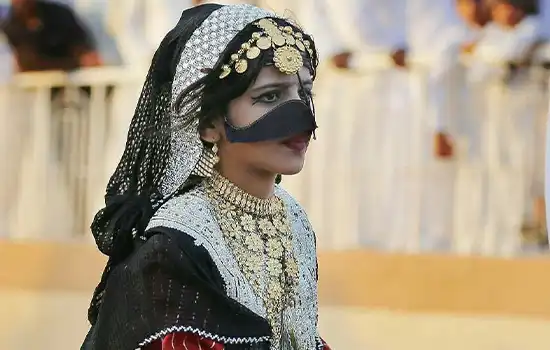
Female tourists are not generally expected to wear a hijab in everyday public settings. However, modest clothing is recommended as a sign of respect for Omani social customs, particularly in residential areas, traditional neighbourhoods and religious settings.
Omani women wear a variety of garments, reflecting regional traditions, personal preferences and the setting. Some wear a headscarf and long, loose clothing; others choose an abaya, and some traditional styles include a face covering. These garments are part of a diverse cultural heritage rather than a single dress code followed identically by every woman.
What is the dress code for tourists in Oman?
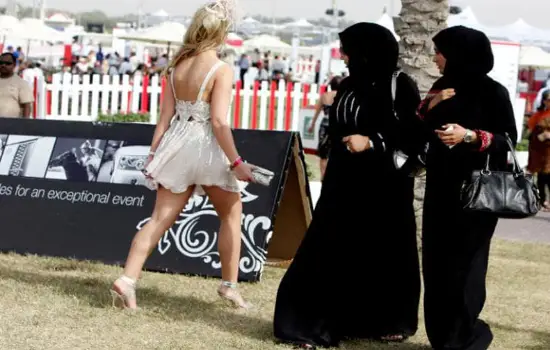
For sightseeing, shopping and walking around town, clothing that covers the shoulders and knees is a sensible choice. The Omani Ministry of Foreign Affairs advises visitors to respect local customs and dress conservatively, especially at religious sites; see its official visitor guidance.
Use these practical guidelines when choosing what to wear:
- Choose tops that cover your shoulders in public places.
- Wear trousers, skirts or dresses that cover the knees.
- Prefer loose-fitting clothing that does not reveal underwear or excessive amounts of skin.
- Carry a lightweight outer layer or scarf when visiting religious or traditional places.
- Follow any additional dress instructions displayed at a particular attraction.
Shorts, sleeveless tops and swimwear are not equally appropriate in every setting. Beachwear belongs at the beach or pool, while modest everyday clothing is more suitable for streets, traditional markets and public buildings. Dressing conservatively is a straightforward way to avoid unwanted attention and show consideration for local expectations.
What should you wear when visiting a mosque in Oman?

Mosques have more specific dress expectations than ordinary public spaces. Women visiting the Sultan Qaboos Grand Mosque should cover their hair and wear clothing that covers their arms and legs. Men should also dress modestly, with their shoulders and knees covered.
The official Grand Mosque visitor guidance explains the clothing expectations for visitors and notes the availability of abayas and headscarves at the entrance. Check the current visitor instructions before travelling, as entry conditions may vary by site.
Before entering a mosque, make sure that your clothes are opaque and sufficiently loose, and remove your shoes if instructed. Do not assume that clothing acceptable in a hotel or shopping centre will also be suitable for a religious site.
How should you dress while sightseeing in Oman?


For city walks, museums, traditional markets and visits to historic neighbourhoods, lightweight clothing that covers the shoulders and knees is a reliable option. Breathable fabrics and loose cuts are also practical in Oman's warm climate.
At beaches and swimming pools, swimwear may be appropriate in designated areas. Once you leave the beach or pool, cover up before entering nearby streets, shops or restaurants. When visiting a traditional village or a religious attraction, choose more conservative clothing than you might wear at a resort.
Dress customs can differ between locations and occasions. When in doubt, observe posted guidance and the expectations of the venue rather than assuming that one outfit is suitable everywhere.
Traditional clothing worn by Omani women

Traditional Omani women's clothing varies by region and community. Long dresses, headscarves and abayas are among the garments seen in Omani society, while colours, embroidery and other decorative details can differ between styles.
Some women also wear traditional face coverings. These garments have cultural significance and should not be treated as a uniform worn by all Omani women. Visitors interested in traditional clothing should approach it as part of Oman's cultural heritage and ask permission before photographing individuals.
Women, public life and dress customs in Oman

Omani women participate in education, employment and public life, and their clothing choices are not identical across the country. Traditional dress remains visible alongside contemporary clothing, reflecting personal choices, regional customs and different social settings.
Oman's constitutional principles address equality between women and men and the responsibilities of citizens and residents to respect the country's laws, values and traditions. The Ministry of Foreign Affairs provides further information in its overview of Oman's constitutional principles. Visitors should distinguish cultural expectations from assumptions about every individual's personal choices.
What is the Omani burqa?

The Omani burqa is a traditional face covering associated with particular regional and cultural dress practices. Its appearance can vary in shape, colour and decoration, and it is distinct from the headscarves and abayas that many women wear.
Traditional face coverings are part of Oman's cultural heritage, but not every Omani woman wears a burqa. Contemporary clothing also includes a wide range of designs and styles, so visitors should avoid treating one garment as representative of all women in the country.






Comments & experiences
Share a useful experience or ask a relevant question.