


Opening a coffee shop in Oman requires more than a good espresso machine and an attractive interior. Investors need to establish the business correctly, identify the approvals applicable to their activities, choose premises that suit the intended menu and service model, and build a realistic operating budget. For foreign entrepreneurs, these decisions should be made before committing to a lease or signing a franchise agreement.
Muscat can be an option for a coffee shop targeting residents, office workers, visitors and people meeting over coffee. However, commercial viability depends on the location, rent, customer demand, menu pricing, staffing and operating costs. No location or concept guarantees a profit, so the business plan should be based on a clear customer profile and realistic sales assumptions.
Plan the coffee shop before registering the business
Start by defining what the coffee shop will sell, whom it will serve and how it will operate. A small takeaway counter, a speciality coffee shop with seating and a café serving full meals can have different space, equipment and approval requirements.
- Choose a concept: Decide whether the business will focus on espresso-based drinks, traditional Omani coffee, tea, speciality beverages, pastries, light meals or a broader café menu.
- Define your customers: Consider nearby residents, office workers, students, tourists and customers looking for a place to meet or work.
- Assess competing cafés: Compare menus, prices, opening hours, seating, takeaway options and the customer experience offered by nearby businesses.
- Develop a distinctive offer: A signature drink, a specialist pastry range, carefully prepared coffee or a focused menu can help differentiate the business without making operations unnecessarily complicated.
- Prepare a financial forecast: Estimate rent, fit-out, equipment, ingredients, salaries, utilities, marketing and working capital before deciding how much to invest.
A focused opening menu is often easier to cost, prepare and maintain consistently than a large menu covering every type of food and drink. Additional products can be introduced after customer demand and operating capacity become clearer.
Register the company and establish the business structure
Company registration is a key part of establishing a coffee shop in Oman. Investors should determine the appropriate legal structure, intended commercial activities and ownership arrangements before completing registration and proceeding with the premises and operating approvals.
- Define the business activities. Describe the intended café operations accurately, including any additional food-service activities that may affect the required approvals.
- Choose the company structure. Assess the suitable legal form and ownership arrangements for the proposed investment.
- Complete company registration. Arrange the required registration process and confirm that the registered activities match the intended business.
- Check premises and municipal requirements. Before committing to a location, determine whether the proposed premises and planned activities meet the applicable requirements.
- Complete the relevant operating approvals. Obtain the approvals applicable to the premises, food-related activities and actual services offered before opening.
Foreign investors should assess their ownership, immigration and business-operation arrangements as separate but related matters. Registering a company should not be treated as automatic permission to perform every activity, employ staff without the applicable procedures or begin serving customers from any premises.
For professional assistance with the incorporation process, see Connsect's company registration service in Oman.
Secure the right premises and meet health requirements
The premises must suit both the commercial concept and the requirements applicable to the chosen food-service activities. In Muscat, the municipality sets health requirements for cafés and other food-related businesses, with the activity type affecting the applicable conditions.

Before signing a lease or beginning fit-out work, assess the following points:
- Location and access: Check visibility, pedestrian access, parking where relevant, nearby workplaces and residential areas, and the pattern of demand at different times of day.
- Premises suitability: Establish whether the property can accommodate the intended preparation areas, equipment, seating, storage and customer circulation.
- Utilities and building conditions: Review the electrical supply, water facilities, building condition and other relevant safety considerations.
- Cleaning and food handling: Plan appropriate work areas, cleaning procedures, storage arrangements and staff practices.
- Activity-specific requirements: Confirm the conditions that apply to the exact menu and service model rather than assuming that every café follows identical requirements.
Muscat Municipality's health requirements for cafés provide the relevant starting point for understanding food-related activity conditions. Its public-health business regulations also address areas including buildings, electricity, water, employees, cleanliness and general safety.
Do not assume that a property suitable for a conventional coffee counter will automatically be suitable for a kitchen, a broader restaurant menu or a shisha service. Each additional activity should be assessed before the premises are fitted out.
Choose equipment, design the interior and prepare the menu
Equipment and interior design should follow the service model, anticipated customer volume and available budget. Buying equipment before finalising the menu and premises layout can create avoidable costs or leave the business without the capacity it needs.
Essential equipment to budget for
- Commercial coffee machine and suitable grinders, based on the drinks menu.
- Refrigeration and other temperature-controlled storage required for the ingredients used.
- Preparation counters, washing facilities and food-preparation equipment appropriate to the menu.
- Storage for coffee, tea, milk, syrups, pastries and other supplies.
- Customer seating, tables, lighting, service counters and interior fittings appropriate to the concept.
- Point-of-sale equipment, payment facilities and systems for tracking inventory and daily sales.
- Cleaning supplies, waste-management arrangements and the operational items needed to maintain a hygienic workspace.
The final list depends on whether the café serves only drinks or also prepares desserts, sandwiches and full meals. A larger kitchen or a wider menu can increase equipment, storage, staffing and fit-out requirements.
Build a menu around local demand
A balanced menu can combine espresso-based drinks, tea, traditional Omani coffee, iced beverages and a manageable selection of food. The right mix depends on the target customers, local competitors, ingredient availability and the price points the business can sustain.
Price each item using its ingredient cost, preparation time, packaging where applicable and share of operating expenses. Monitor sales by product instead of assuming that the most expensive drink or the most popular item necessarily delivers the strongest contribution to profit.
Understand coffee shop startup costs in Oman
The investment required to open a coffee shop depends on the premises, fit-out, equipment, menu, staffing plan and operating model. There is no single startup figure that applies to every café, so separate one-time setup costs from recurring expenses and working capital.
| Cost category | What to include |
|---|---|
| Company registration | The applicable company setup service and registration-related expenses. |
| Premises | Rent, deposit and any property-related costs associated with securing the location. |
| Fit-out and interior | Preparation areas, counters, plumbing or electrical work where required, seating, lighting and finishes. |
| Equipment | Coffee machines, grinders, refrigeration, preparation equipment and payment systems. |
| Initial inventory | Coffee beans, tea, milk, food ingredients, packaging and other opening supplies. |
| Staffing | Recruitment, salaries, training and applicable employment-related expenses. |
| Approvals and compliance | Applicable municipal, health and other activity-related requirements. |
| Launch and working capital | Marketing, utilities, routine operating expenses and funds to cover the early operating period. |
Connsect lists its service for registering a mainland limited liability company without the client travelling at OMR 275, with a stated processing time of 7–10 working days. This is the company-registration service price, not the total cost of opening a café. Premises, equipment, fit-out, inventory and other applicable expenses must be budgeted separately.
See the company registration price and service details when preparing the incorporation budget.
Before committing to the project, obtain quotations for the actual premises and equipment, estimate monthly fixed and variable costs, and retain sufficient working capital for the period when sales are still developing.
Register for tax and plan ongoing compliance
Tax registration is part of running a coffee shop in Oman, not simply an administrative task to consider after the business becomes established. The Oman Tax Authority states that income tax registration is required for operating establishments and must be completed within 60 days of starting the activity or registering with the relevant ministry.
For the applicable procedures, consult the Oman Tax Authority registration requirements.
Mandatory VAT registration applies when annual taxable supplies reach the threshold of OMR 38,500. A coffee shop should track its taxable sales and assess whether registration is required, rather than waiting until the business has been operating for a long period.
Maintain accurate sales records, supplier invoices, expense documentation and inventory information. These records help with tax compliance and make it easier to understand product margins, cash flow and the actual performance of the business.
Assess whether a coffee shop franchise is suitable
A franchise can give an investor access to an established brand, a defined operating model and specified product or service standards. It also introduces contractual obligations and costs that must be assessed before the investor commits capital.

Review the following points before signing a franchise agreement:
- Initial franchise fee: Establish the amount payable to the brand owner and what the fee covers.
- Ongoing payments: Check whether royalties, marketing contributions or other recurring charges apply.
- Operating restrictions: Review requirements for suppliers, equipment, menu items, branding, opening hours and store design.
- Territory and exclusivity: Understand the permitted territory and any restrictions on competing outlets.
- Contract duration and exit terms: Assess renewal conditions, termination provisions and the financial consequences of leaving the arrangement.
- Local operating costs: Build a separate Oman-specific budget for rent, staffing, equipment, inventory and applicable approvals.
Oman provides an official commercial franchise service. Its existence does not mean every brand is available for local franchising or that a franchise will be profitable. Confirm the brand owner's authority to grant the rights, the proposed agreement and the requirements applicable to the actual business.
What determines coffee shop profitability in Oman?
Profitability depends on the relationship between sales, product costs and operating expenses. A busy location can help generate demand, but high rent, excessive staffing, waste or weak pricing can still leave a café with limited profit.
Evaluate the business using measurable operating assumptions rather than general expectations about demand for coffee.
- Location: Estimate the number of customers the premises can realistically attract during different dayparts.
- Average transaction value: Forecast the typical amount spent per visit and assess whether food items can complement beverage sales.
- Product margins: Calculate ingredient and packaging costs for each item and identify products that contribute adequately to overheads.
- Customer retention: Consider product consistency, service speed, seating comfort and reasons customers would return.
- Operating hours: Match staffing and opening hours to actual customer demand.
- Waste control: Monitor perishable stock, preparation quantities and unsold food.
Calculate a break-even sales target using monthly fixed costs and the contribution margin after variable costs. Then compare that target with a realistic estimate of daily transactions and average spending. If the required sales volume exceeds what the location and operating model can plausibly support, revise the plan before investing.
Examples of café concepts to study in Muscat
Existing cafés and café-restaurants can help investors compare menu positioning, layout, product variety and customer experience. The following businesses appear in the original material as examples of Iranian-associated or internationally varied café concepts in Oman; their current operating status and availability should be checked before relying on them as active competitors.
Alian Café and Restaurant
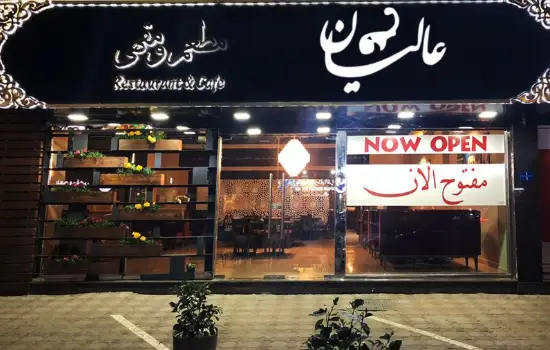
The source describes Alian as a large café-restaurant in Muscat, with an area of approximately 700 square metres and distinct spaces for restaurant service, café service and separate shisha areas for men and women. The example illustrates how a multi-service venue can organise different customer experiences within one establishment. Any proposed shisha service should be assessed separately against the applicable activity and premises requirements.
Mani Café
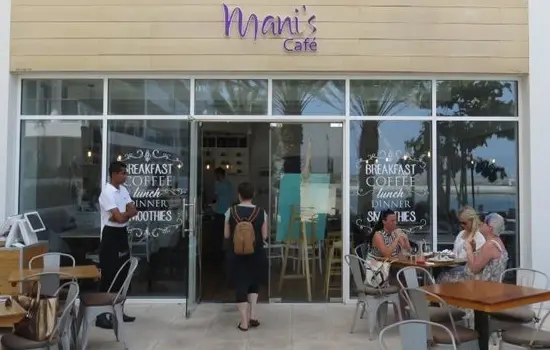
The source describes Mani as a Muscat café with an artistic design, a selection of international drinks, salads and light meals. For a new operator, the useful concept is the combination of visual identity and a menu extending beyond coffee alone.
Shabestan Café and Restaurant

Shabestan is presented as a combined café and restaurant offering hot and cold beverages alongside restaurant service. A mixed format can appeal to different customer occasions, but it also requires careful menu planning, staffing and kitchen capacity management.
Moorish Café

The source highlights a range of hot and cold drinks, speciality juice combinations and Omani coffee. This is a useful reminder that a café does not need an extensive food menu to develop a recognisable offer; a distinctive beverage range can be central to its positioning.
Tea Salon

The Tea Salon example focuses on tea varieties and Moroccan coffee. A specialised beverage concept can help a new business stand apart from competitors that rely on a broad but less distinctive menu.
Build an operating plan before opening
The opening plan should connect the commercial concept with the premises, approvals, staffing, equipment and cash-flow forecast. A business that is ready to serve customers on opening day should also be prepared to maintain consistent quality and manage costs during the following months.
- Complete the market and competitor assessment.
- Choose a concept, customer segment and initial menu.
- Prepare a budget covering registration, premises, fit-out, equipment, stock and working capital.
- Confirm the company structure and complete the relevant registration procedures.
- Check the municipal and health requirements for the proposed location and activities before committing to fit-out work.
- Arrange the required approvals, equipment, suppliers and staff.
- Complete tax registration and establish reliable accounting and inventory procedures.
- Launch with a focused menu, monitor sales and margins, and adjust the offer using actual customer behaviour.
Frequently asked questions
Prepare your coffee shop setup in Oman
Before investing, align the business structure, location, menu and municipal requirements with a realistic financial forecast. Connsect can assist with the company-registration process and help you plan the incorporation stage of your project.
Review the company registration service in Oman or arrange a free initial consultation to discuss your proposed business setup.





Comments & experiences
Share a useful experience or ask a relevant question.