

Food is one of the most rewarding ways to experience Oman's culture. Traditional Omani cuisine combines fragrant spices, slow-cooked meat, rice, seafood, fresh bread and dates, with dishes that vary from everyday street food to meals prepared for family gatherings and special occasions.
If you are visiting Muscat or exploring other parts of the Sultanate, look for these local specialties on restaurant menus and at traditional food stalls. The best way to appreciate Omani cooking is to try several dishes rather than judge the cuisine by a single meal.
What makes traditional Omani food distinctive?
Omani cuisine reflects the country's coastal setting, regional traditions and connections with the wider Arabian Peninsula. Rice, meat, fish, wheat, dates and aromatic seasonings feature in many familiar dishes, while preparation methods range from grilling over charcoal to cooking meat slowly in an underground oven.
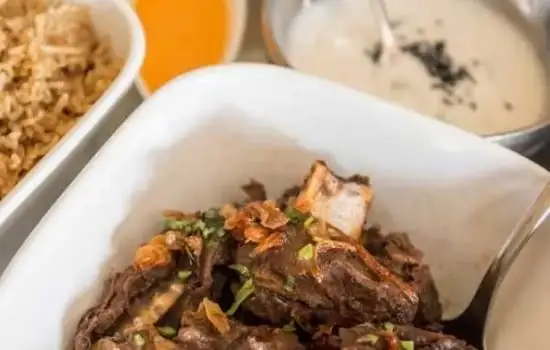
Food is also part of the visitor experience in Oman. The Ministry of Heritage and Tourism has promoted local cuisine through its Taste of Oman culinary tourism initiative, reflecting the role of regional food in introducing visitors to Omani culture.
Traditional Omani dishes to try
Start with a grilled meat dish or a spiced rice meal, then explore the country's wheat-based dishes and seafood. These specialties offer different textures and cooking styles, from tender meat prepared over many hours to fish seasoned with spices and citrus.
Mishkak: Omani grilled meat skewers
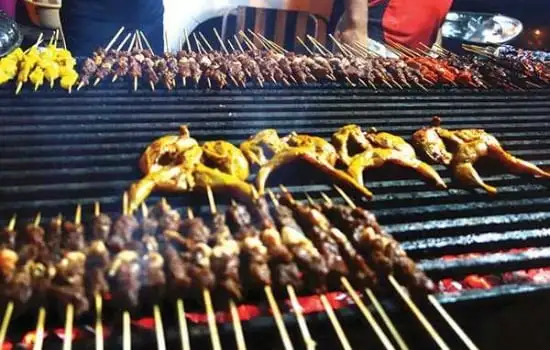
Mishkak is a popular grilled dish made with pieces of meat threaded onto skewers. Chicken and lamb are common choices in the preparation described for this dish, and the meat is marinated with spices before being cooked over charcoal or in an oven.
Look for mishkak at casual restaurants and food stalls. Its smoky flavour and manageable serving size make it a practical option when you want to sample local grilled food without ordering a large meal.
Harees: Wheat and meat cooked until tender
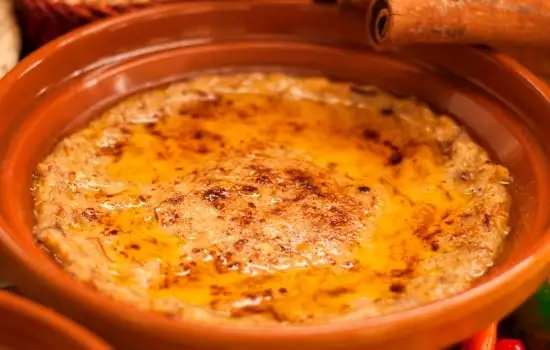
Harees combines wheat and meat in a soft, thick preparation with a texture similar to porridge. The ingredients are cooked until they become tender and blend together, producing a comforting dish that can be served as part of a larger meal.
Harees also appears at gatherings and formal occasions. If you enjoy slow-cooked dishes with a mild texture, it is worth trying alongside a grilled or rice-based main course.
Shuwa: Slow-cooked meat for special occasions
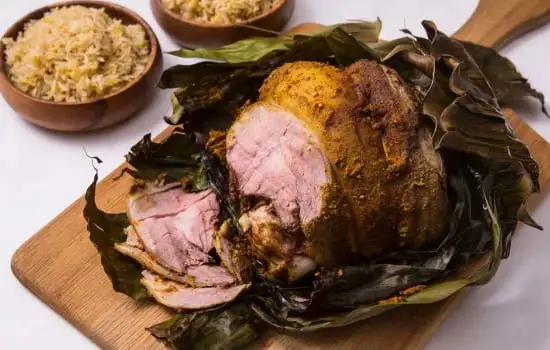
Shuwa is one of the most distinctive dishes associated with Omani celebrations. Lamb is seasoned with a spice mixture, wrapped in protective leaves or other traditional wrapping materials, and cooked slowly in an underground oven.
The extended cooking process gives the meat time to become tender and absorb the seasoning. Shuwa is particularly associated with festive meals, so it is a dish to look for when exploring Omani food traditions around special occasions.
Majboos: Spiced rice with meat
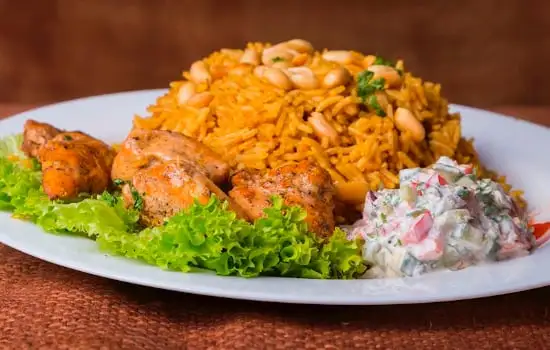
Majboos is a well-known rice dish across the Arabian Peninsula and is a familiar part of Omani cooking. It is commonly prepared with basmati rice and chicken or lamb, with onion, garlic and spices contributing to its flavour.
Cardamom and saffron can add a fragrant finish. Because the rice absorbs the cooking flavours, majboos is a good choice if you want a substantial meal that brings meat, spices and rice together in one dish.
Grilled kingfish: A taste of Oman's coastal cuisine
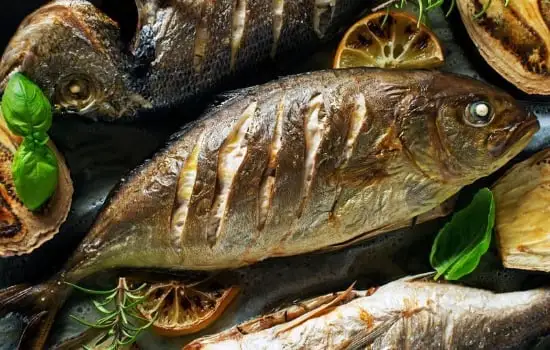
Seafood deserves a place on any food itinerary in Oman. One preparation described in traditional Omani cuisine uses kingfish seasoned with spices and cooked over heat, with lemon sauce served alongside the fish.
For a different experience from meat and rice dishes, choose grilled fish at a restaurant serving local seafood. The seasoning and citrus accompaniment can complement the natural flavour of the fish without making the meal overly heavy.
Omani bread and savoury pastries
Bread is a useful part of exploring local food because it accompanies many dishes and can also be eaten on its own. Traditional breads vary in texture, from thin and crisp varieties to softer flatbreads filled with savoury ingredients.

Thin, crisp bread can accompany dishes such as majboos, harees and mishkak. Another type mentioned in descriptions of regional food is mashaltat, a soft, flat pastry that can be filled with ingredients such as meat, spinach or cheese.
If you are sampling food from bakeries or small restaurants, ask what bread is freshly prepared that day. Pairing bread with a local main course is an easy way to experience more of the country's everyday cooking.
Omani dates and traditional sweets
Dates have an established place in Omani food culture. They are eaten as a snack, served to guests and used in sweet preparations, making them an important part of the country's food traditions.
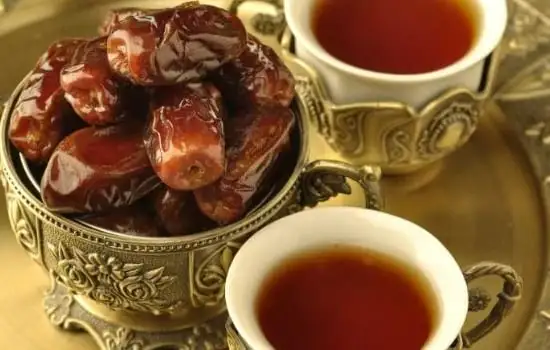
Dates can be served with sesame, tahini or coconut to create simple desserts. Their presence in everyday hospitality and festive settings also makes them a useful introduction to local customs for visitors.
Oman's official open-data portal provides a dataset on date production, covering agricultural indicators across the country's governorates and wilayats. This reflects the agricultural importance of dates without reducing the subject to a single production figure.
Shawarma in Oman: A popular street-food choice
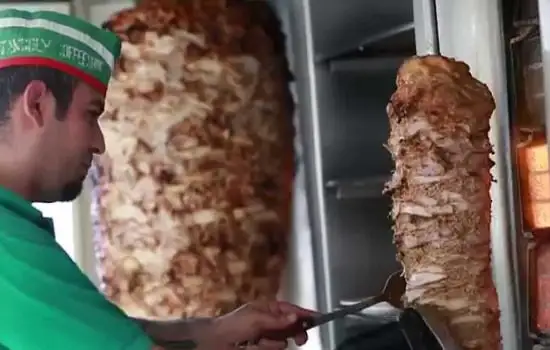
Shawarma is widely enjoyed across the Middle East and is easy to find in Oman. It is made by stacking thin slices of seasoned meat on a vertical spit, roasting the meat as the spit turns, and shaving off cooked portions for serving.
Chicken and lamb are common options. Shawarma is often served in pita bread with vegetables and sauces, making it a convenient choice for lunch, dinner or a quick meal while exploring Omani towns and cities.
How to choose what to eat in Oman
For a first taste of local cuisine, choose majboos for a rice-based meal, mishkak for grilled meat, harees for a soft wheat-and-meat dish, and grilled fish for a coastal option. Try shuwa if it is available during your visit, particularly when local restaurants are serving food associated with festive occasions.
- For grilled food, look for mishkak and ask whether chicken or lamb is available.
- For a filling main course, order majboos and check which meat is used.
- For seafood, look for grilled kingfish or other locally available fish.
- For a lighter accompaniment, try traditional bread with your meal.
- For a local sweet or snack, sample dates served plain or with sesame or tahini.
Menus and recipes vary by restaurant and region, so ask staff about ingredients and preparation if you have dietary restrictions. Exploring a few different dishes is the simplest way to understand the range of flavours found in Omani cuisine.






Comments & experiences
Share a useful experience or ask a relevant question.