

Oman has 11 governorates and 61 wilayats, the administrative divisions within those governorates. Muscat is the national capital, while cities such as Sohar, Salalah, Nizwa, Sur and Khasab serve as important regional centres. The right location depends on what you need: employment opportunities, access to services, industrial activity, coastal living or a particular climate.
Use the official list of Oman’s governorates and wilayats to check administrative names and their regional affiliations. Population figures should always be read alongside their reference year and geographic boundaries rather than treated as current figures by default.
Oman's 11 governorates and their administrative centres
Each governorate has an administrative centre, and the country's regions differ in geography, settlement patterns and economic activity. The following table provides a practical starting point for identifying the main regional centres.
| Governorate | Administrative centre or principal city | Regional context |
|---|---|---|
| Muscat | Muscat | National capital and a major centre for administration, business and services. |
| Dhofar | Salalah | Southern Oman, with a distinctive seasonal climate during the khareef. |
| Musandam | Khasab | Northern peninsula known for its rugged coastline and maritime landscape. |
| Al Buraimi | Al Buraimi | North-western Oman, near the United Arab Emirates border. |
| Al Dakhiliyah | Nizwa | Interior Oman, including mountain areas and heritage destinations. |
| North Al Batinah | Sohar | A significant industrial and commercial centre on the northern coast. |
| South Al Batinah | Rustaq | A coastal and inland region extending south of North Al Batinah. |
| North Al Sharqiyah | Ibra | An eastern region with inland settlements and access to desert and wadi landscapes. |
| South Al Sharqiyah | Sur | A coastal region associated with maritime activity and traditional boatbuilding. |
| Al Wusta | Haima | A central region bordering the Arabian Sea, with energy-related activity in parts of the governorate. |
| Al Dhahirah | Ibri | An inland region in northern Oman, close to desert areas and the western border region. |
The Ministry of Economy also provides an overview of Oman's administrative divisions. Check the official administrative listing when you need to confirm the name of a wilayat or determine which governorate it belongs to.
Major cities in Oman and what distinguishes them
Oman's major cities serve different purposes. Muscat concentrates national administration and many business services, Sohar is an important industrial centre, and Salalah is a major southern port city. These differences can help narrow a location search, but they do not establish that one city is best for every resident or business.
Muscat: the capital and main service centre
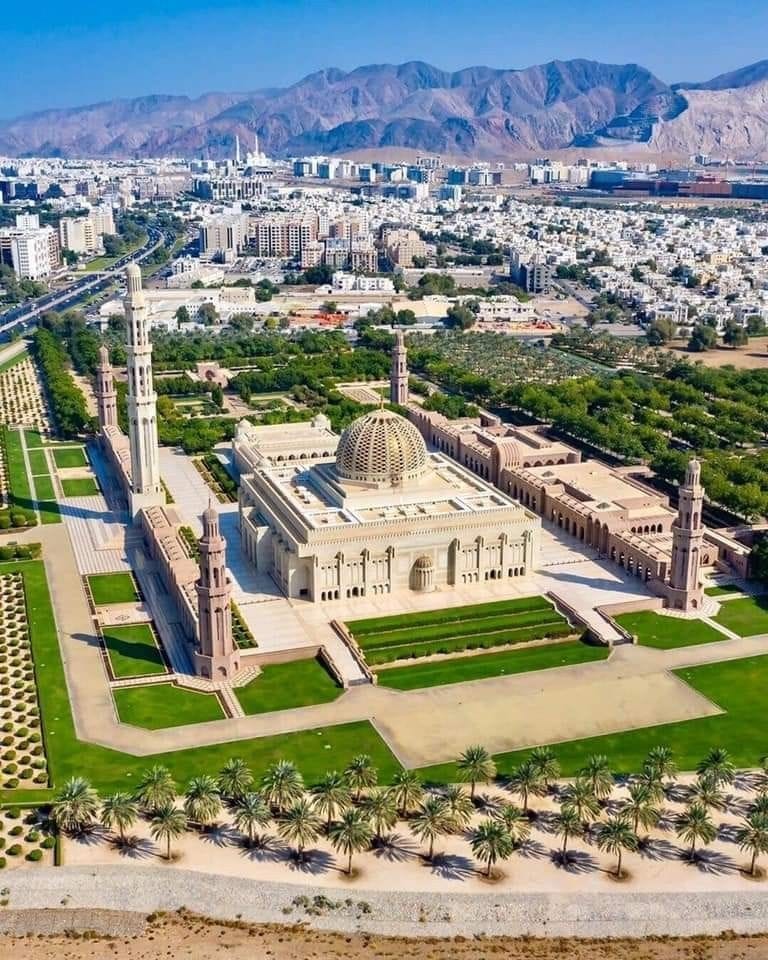
Muscat is the capital of Oman and a major centre for government, commerce and professional services. The wider governorate includes urban areas such as Muttrah, Bawshar, Seeb, Al Amerat and Qurayyat. When comparing residential locations, distinguish the city or neighbourhood from the wider governorate, since transport, access to services and daily travel can vary considerably across the metropolitan area.
Nizwa and Al Dakhiliyah: inland Oman and mountain access
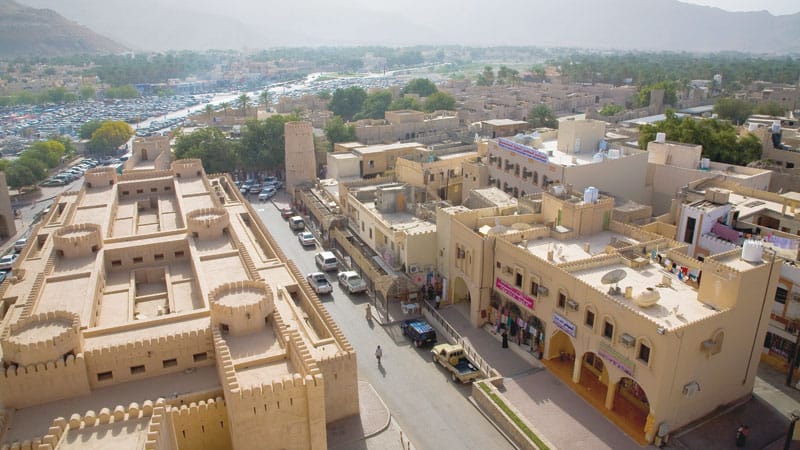
Nizwa is the administrative centre of Al Dakhiliyah. The governorate includes inland settlements and mountain destinations such as Jabal Akhdar. It is a useful region to consider when a location search prioritises the interior, heritage and access to mountain landscapes rather than the capital's urban environment.
Ibri and Al Dhahirah: the northern interior
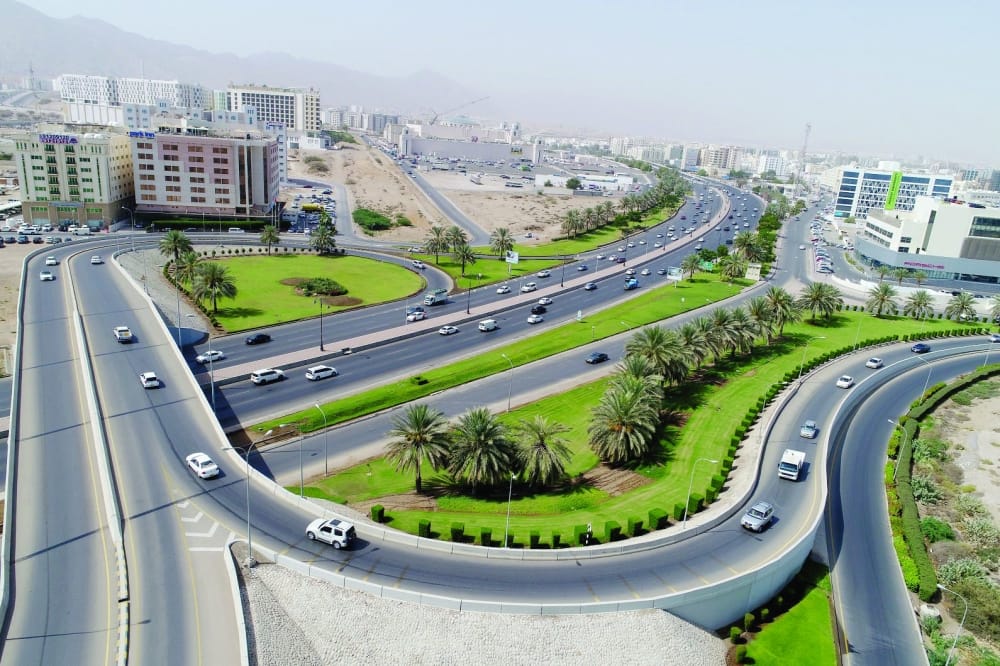
Ibri is an important city in Al Dhahirah, an inland governorate in northern Oman. Confirm the precise wilayat when assessing a property, workplace or service location; a city name alone may not identify the relevant administrative area.
Sohar and North Al Batinah: industry and commerce
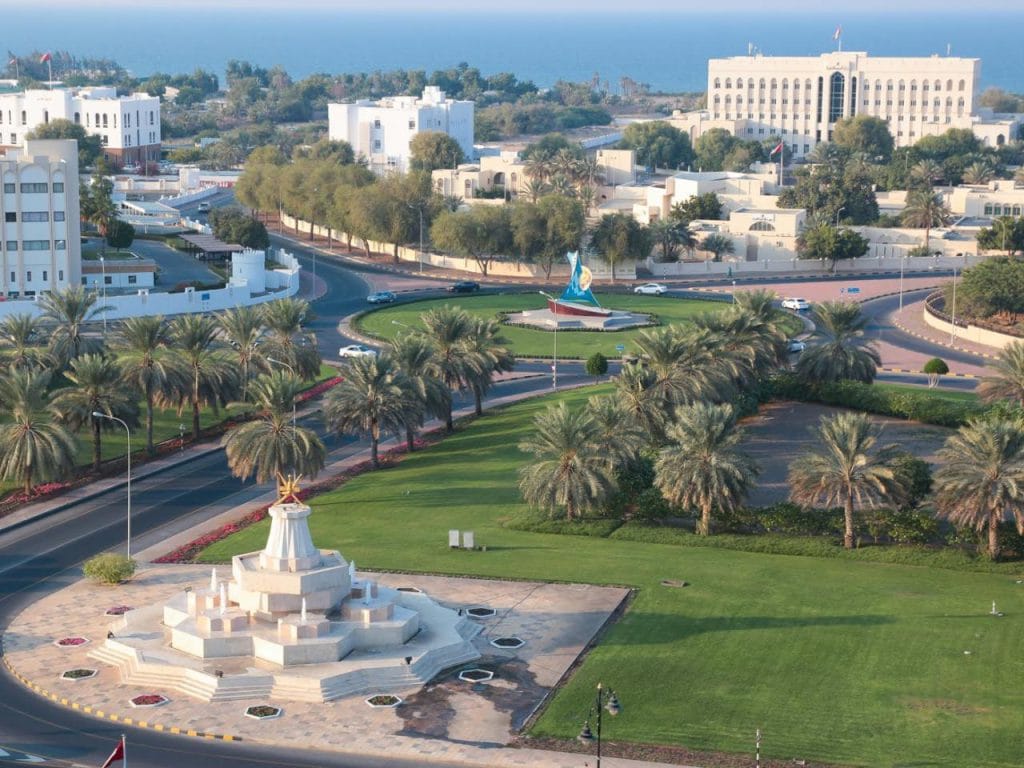
Sohar is the administrative centre of North Al Batinah and an important industrial city. Businesses evaluating the region should consider the specific industrial or commercial area, access to transport and the location of their customers or suppliers rather than relying on the governorate name alone.
Al Buraimi: north-western Oman

Al Buraimi lies in north-western Oman near the United Arab Emirates border. The city of Al Buraimi is the governorate's administrative centre, and Mahdah is another wilayat within the governorate. Anyone planning regular cross-border travel should assess the actual route and the relevant entry requirements separately from the choice of city.
Al Wusta: central Oman and the Arabian Sea
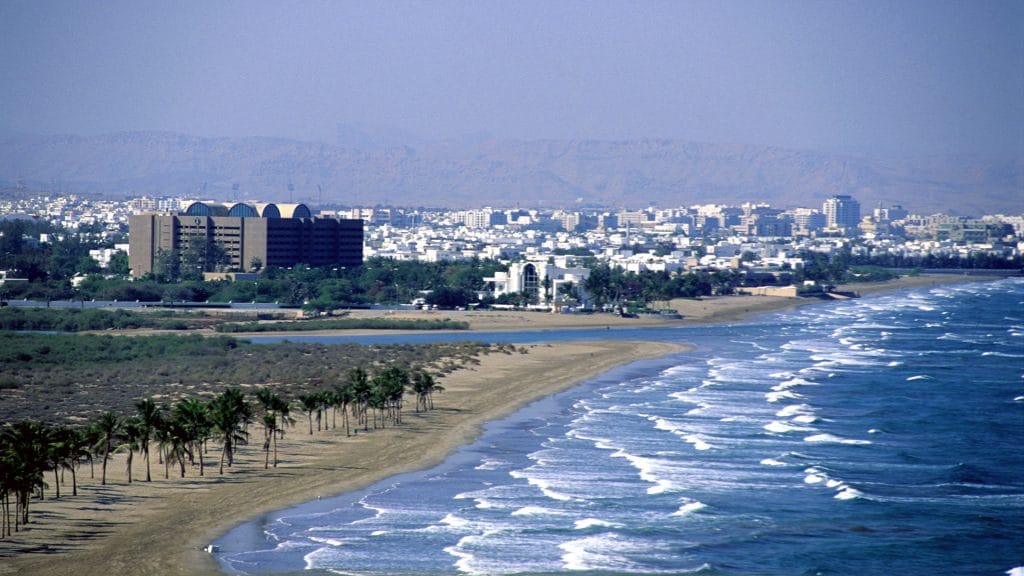
Haima is the administrative centre of Al Wusta. The governorate borders the Arabian Sea, and energy-related activity forms part of the economy in some areas. Distances between settlements can be substantial, so travel time and access to essential services should be checked for the precise destination.
Dhofar and Salalah: a distinctive seasonal climate
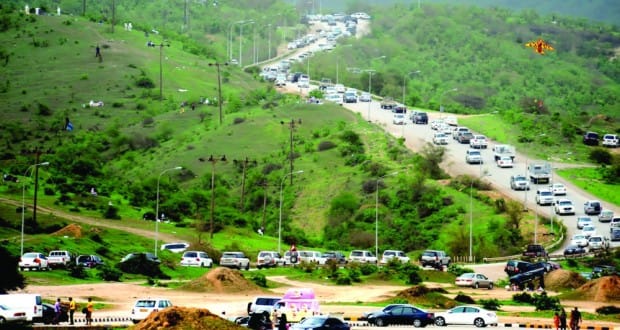
Salalah is the principal city of Dhofar and an important port and industrial centre. Unlike many other parts of Oman, Dhofar experiences the khareef season, generally from June to September, when rainfall and greener landscapes create noticeably different conditions. If you are planning a visit or a longer stay, account for seasonal weather and check conditions for your intended travel dates.
Musandam and Khasab: the northern peninsula

Khasab is the principal city of Musandam, a governorate separated geographically from the main part of Oman by the United Arab Emirates. Its coastal terrain differs from the country's broad inland plains. When arranging transport or accommodation, account for the actual route and travel connections to the peninsula.
How Oman's regions differ economically
Economic activity is distributed across several regional centres rather than concentrated in one city. Muscat is a major administrative and service centre, Sohar is important for industry, and Salalah has a significant port role. Sur is also known for its traditional boatbuilding heritage.
The National Centre for Statistics and Information publishes regional indicators in its Statistical Year Book 2026. For employment comparisons, its 2025 figures show that Muscat accounted for 32.7% of employed people and North Al Batinah for 16.4%. These shares describe the distribution of employment, not the number of vacancies available in a particular profession.
For a more detailed assessment, use the official labour-market data alongside current job advertisements and the requirements for your occupation. A region's overall economic activity does not guarantee demand for every job title.
Choosing a city in Oman for work
The most suitable city depends on your occupation, professional eligibility, employer and the vacancies available when you apply. Employment concentration is one useful indicator, but it cannot replace checking opportunities for your specific role.
- Identify the relevant industry. Consider Muscat for a broad range of administrative and service activities, Sohar for industrial opportunities, and Salalah for port-related and regional commercial activity.
- Check current vacancies. Compare job advertisements by employer, location, salary, working arrangements and publication date.
- Confirm professional requirements. Regulated occupations may require professional approvals or licences in addition to the relevant employment arrangements.
- Compare the practical costs. Assess accommodation, commuting, access to services and the distance between your home and workplace.
- Verify the exact location. Confirm the wilayat and neighbourhood rather than assuming that every location within a governorate offers the same access or opportunities.
For example, a healthcare professional should compare suitable vacancies and applicable licensing requirements, while an IT specialist should evaluate employers and advertised roles directly. A list of occupations without dated vacancy evidence should not be treated as a ranking of the best cities for work.
Population figures and administrative boundaries
Population data is useful only when the reference year and geographic definition are clear. A figure for a municipality, a wilayat and an entire governorate may describe different populations, even when the names are similar.
Before comparing two locations, check whether the figures refer to the same year and administrative level. For current population density and related indicators, consult the National Centre for Statistics and Information's annual statistical publication. Avoid treating historical city estimates as present-day population totals.
Frequently asked questions about Oman's governorates and cities
Get guidance on living or doing business in Oman
If you are comparing locations before relocating, registering a company or exploring property opportunities, start with your practical requirements: the activity you plan to pursue, the services you need, and the areas in which you expect to live or work. Connsect can help you assess the relevant next steps through its consultation service.




Comments & experiences
Share a useful experience or ask a relevant question.